



Weekends are supposed to feel relaxing. Yet when Friday’s momentum fades, some people feel flat, restless, lonely, or unusually worried. You may have plenty of free time and still struggle to enjoy it. By Sunday afternoon, thoughts about Monday may begin taking over.
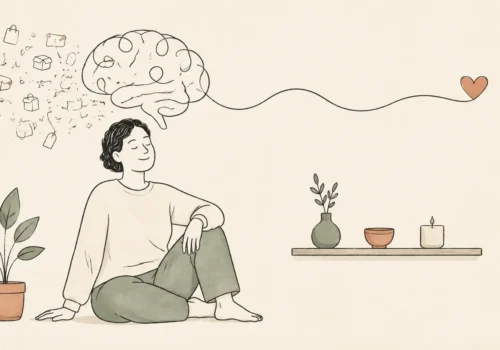
This experience is often called the weekend blues. The phrase can describe several patterns, from boredom on Saturday to anxiety at the end of Sunday. It is an everyday label, not a medical diagnosis. Understanding what changes on your days off can help you respond with more useful habits—and recognize when low mood may need professional care.
Quick answer: Weekend blues are feelings such as sadness, emptiness, loneliness, irritability, or anxiety that appear or become more noticeable during the weekend. Common contributors include a sudden loss of routine, fewer social interactions, pressure to have a “perfect” weekend, work-related anticipation, sleep-schedule changes, and an underlying mental-health concern. A small amount of structure, meaningful activity, real connection, regular sleep, and a clear Sunday-to-Monday transition can help.
What Are the Weekend Blues?
“Weekend blues” is a conversational term for low mood or distress linked with weekends. It is not listed as a mental disorder, and it does not have a standard symptom checklist or treatment. People use the phrase to describe experiences such as:
- Feeling empty once work, classes, or caregiving routines pause
- Feeling lonely when other people seem busy or socially connected
- Losing motivation and spending much of the day scrolling or sleeping
- Feeling guilty because the weekend is not productive or exciting enough
- Becoming anxious as Monday approaches
- Noticing sadness that was easier to ignore during a busy week
The pattern is real even though the label is informal. Still, the calendar alone does not explain it. A 2025 study in BMJ Mental Health analyzed nearly one million responses from 49,218 adults. Mental health and well-being varied by time and day, with greater variation in several measures on weekends. Because the data were observational and collected during 2020–2022, they cannot prove that weekends cause mood changes. Earlier research has also found that many workers feel better on weekends, partly when they experience more choice and connection. In other words, there is no universal weekend effect.
Weekend Blues, Sunday Scaries, or Depression?
| Pattern | What it may feel like | Typical timing | What to consider |
|---|---|---|---|
| Weekend blues | Low mood, boredom, loneliness, irritability, or lack of purpose | Often begins when weekday structure stops | Track routines, connection, expectations, sleep, and activities |
| Sunday scaries | Dread, tension, racing thoughts, or trouble sleeping because of the coming week | Usually Sunday afternoon or evening | Look at workload, uncertainty, boundaries, and practical preparation |
| Depressive disorder | Persistent low mood or loss of interest, often with changes in sleep, appetite, energy, concentration, guilt, or hope | Most of the day, nearly every day, for at least two weeks in a depressive episode | Seek assessment from a qualified health professional |
Occasional weekend sadness is not automatically depression. According to the World Health Organization, depression involves persistent low mood or loss of interest for long periods and affects daily functioning. However, a weekend pattern can coexist with depression, anxiety, burnout, substance problems, grief, or a difficult work environment. The intensity, duration, and effect on your life matter more than the label.
Why Do I Feel Sad on Weekends?
There is rarely one cause. Think of the weekend as a change in context that can reveal needs, habits, and stressors that weekday busyness keeps in the background.
1. Your Structure Disappears
Weekdays often provide built-in cues: an alarm, a commute, meals, tasks, and contact with other people. When those cues disappear, starting even an enjoyable activity can feel harder. A completely open day may create too many decisions, especially when energy is already low.
This does not mean every hour needs scheduling. It means a few reliable “anchors” can reduce friction. The principles of behavioral activation—a well-supported therapy for depression—include planning activities connected with pleasure, mastery, or personal values. A self-guided weekend plan is not a substitute for therapy, but the same practical idea can help you move before motivation arrives. Our guide to CBT for depression explains how activity and thought patterns can interact.
2. Loneliness Becomes More Noticeable
Being alone and feeling lonely are not the same. Some people restore their energy through solitude. Others find that weekends remove everyday contact with coworkers, classmates, customers, or neighbors. Social media can deepen the contrast by showing other people’s most social moments without showing their quiet or difficult ones.
Social connection supports health and well-being, but more contact is not always better. One sincere conversation may be more helpful than a crowded plan that leaves you depleted. If this pattern fits you, learn more about the difference between isolation and loneliness and mental health.
3. The Weekend Has to Carry Too Much
A two-day break may be expected to provide rest, adventure, relationships, chores, exercise, family time, and preparation for Monday. That is an impossible job description. When reality does not match the ideal weekend in your head, disappointment can feel like personal failure.
Try replacing “make the most of the weekend” with a smaller question: What would make this weekend supportive enough? This reduces all-or-nothing thinking and leaves room for both rest and meaningful action.
4. Work Stress Follows You Home
Time away from work can support recovery, especially when it includes psychological detachment, relaxation, and activities that build a sense of competence. But recovery is harder when workload, conflict, job insecurity, or constant messages keep the stress response active. Sunday dread may be information about the workweek, not a failure to relax correctly.
If worry regularly begins before Monday, use our practical strategies for managing stress and anxiety at work. Persistent problems may also call for clearer boundaries, workplace changes, or professional support—not simply a better Sunday routine.
5. Your Sleep Timing Shifts
Staying up and waking much later on free days can create social jetlag: a mismatch between biological timing and social schedules. Sleep and circadian rhythms have a two-way relationship with mood. Recent research links irregular sleep timing with poorer mental-health outcomes, although much of this evidence is observational and does not prove cause and effect.
This does not mean you must wake at the same minute every day or never catch up after a short night. Evidence about weekend catch-up sleep is mixed, and adequate sleep remains important. Aim for enough sleep and a reasonably steady pattern rather than rigid perfection. The CDC recommends at least seven hours a day for most adults, while individual needs vary.
6. Coping Habits Can Worsen the Next Day
Long periods of scrolling, irregular meals, or using alcohol to numb discomfort may provide short-term escape without addressing the need underneath. Alcohol problems commonly occur alongside depression, anxiety, and sleep disorders. If drinking repeatedly changes your mood, sleep, safety, or responsibilities, treat that as useful information and discuss it with a healthcare professional.
How to Beat the Weekend Blues: 8 Practical Steps
1. Choose Two Daily Anchors
Pick one morning anchor and one later anchor. Examples include breakfast near your usual time, a 10-minute walk after lunch, a regular class, or a call with someone you trust. Anchors give the day shape without turning it into another workday.
2. Plan One Restorative and One Meaningful Activity
Restorative activities lower demand: a nap, reading, gentle stretching, music, or unhurried cooking. Meaningful activities connect with a value: helping a relative, practicing a skill, attending a community event, or completing one manageable task. Rest and meaning are different needs; many satisfying weekends contain both.
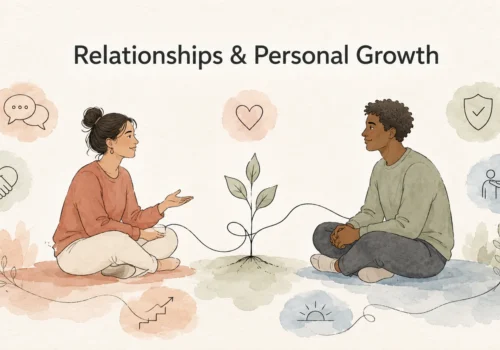
3. Make Connection Specific
“Be more social” is vague. Try a small action: send one message before Friday evening, invite someone for a walk, schedule a 15-minute call, attend a recurring group, or spend time in a familiar public place. If social energy is limited, choose lower-pressure contact rather than forcing a large gathering.
4. Move in a Way You Can Repeat
A walk, yoga session, household task, bike ride, or strength workout can add momentum and support mental health. A 2024 network meta-analysis found that several forms of exercise reduced depressive symptoms, but confidence varied and exercise is not a guaranteed cure. Start with an amount that fits your health, mobility, and energy. For a broader routine, see these evidence-based health and wellness tips.
5. Protect Sleep Without Making It a Test
Keep wake time reasonably close to your weekday pattern, get morning light, and reduce late-night stimulation. If you are sleep-deprived, extra rest may be appropriate. Focus first on getting enough sleep across the week instead of trying to repair a chronic deficit every weekend.
6. Create a Short Sunday Transition
Set a 20- to 30-minute window to check the calendar, choose Monday’s first task, prepare one practical item, and write down unfinished worries. Then deliberately end the planning period. This turns a vague threat into a limited plan. Building a healthier work-life balance may help when work repeatedly occupies the entire weekend.
7. Use a Mindful Check-In
Pause and name what is present: “I feel lonely,” “I am exhausted,” or “I am worried about Monday.” Then ask what you need most—rest, connection, movement, food, problem-solving, or support. Naming an emotion does not solve everything, but it can make the next action clearer. If you are new to this approach, try this guide on how to practice mindfulness.
8. Run a Three-Weekend Experiment
For three weekends, note your mood from 0 to 10 and record sleep timing, social contact, movement, alcohol, work messages, and one meaningful activity. Look for patterns rather than judging yourself. A repeated dip after late nights suggests a different response from a dip linked with loneliness or workplace dread.
A Simple Weekend Plan
- Friday evening: Decide on two anchors and make one specific social invitation. Write down urgent work concerns, then close the work channel if your role allows.
- Saturday: Complete one meaningful activity before a long unstructured block. Include food, daylight, movement, and genuine rest.
- Sunday: Keep part of the day protected for enjoyment. Use one short planning window in the afternoon, then shift to a calming evening routine.
Adjust this plan for shift work, disability, caregiving, faith practices, and cultural or family responsibilities. A “weekend” can mean any recurring days away from your main obligations.
Common Myths About Weekend Low Mood
Myth: If You Feel Sad on Weekends, You Must Hate Your Job
Work may contribute, but loneliness, lack of structure, sleep changes, financial limits, grief, family conflict, or depression can also play a role. Track the pattern before choosing an explanation.
Myth: A Packed Weekend Will Fix It
Constant activity can become avoidance and may leave you more depleted. Aim for enough structure, not maximum busyness.
Myth: Sleeping All Weekend Always Resets You
Extra sleep can help when you are genuinely short on sleep, but large timing shifts may make Sunday night and Monday morning harder. The research is nuanced; consistency and adequate total sleep both matter.
Myth: You Should Be Able to Handle It Alone
Repeated distress deserves support. Talking with someone you trust or a qualified professional is a practical response, not a sign of weakness.
When to Seek Professional Help
Speak with a doctor or licensed mental-health professional if low mood:
- Lasts most of the day, nearly every day, for two weeks or longer
- Includes loss of interest or pleasure, major sleep or appetite changes, hopelessness, guilt, or trouble concentrating
- Interferes with work, relationships, hygiene, caregiving, or basic responsibilities
- Leads to increased alcohol or drug use
- Appears mainly on weekends but is severe, worsening, or difficult to manage
Our guide to signs it may be time to see a therapist can help you consider the next step. If you are thinking about suicide or self-harm, feel unable to stay safe, or may harm someone else, contact local emergency services or a crisis service in your country now. Do not wait for the weekend to end.
Frequently Asked Questions
Are weekend blues a mental illness?
No. “Weekend blues” is an informal phrase, not a diagnosis. It can describe ordinary mood changes, but persistent or severe symptoms may occur alongside depression, anxiety, burnout, grief, sleep problems, or substance use.
Why do I feel depressed only on weekends?
Weekends may remove structure, distraction, purpose, or everyday social contact. Changes in sleep, expectations, family dynamics, alcohol use, or anticipation of Monday may also contribute. Only a qualified professional can determine whether the symptoms meet criteria for depression.
What are the Sunday scaries?
The Sunday scaries are a popular name for anticipatory anxiety about the coming work or school week. They may include dread, irritability, racing thoughts, muscle tension, or difficulty sleeping. They overlap with weekend blues but are not identical.
Can staying in bed all weekend make low mood worse?
Rest can be necessary, especially after sleep loss or illness. But if staying in bed replaces food, light, movement, connection, and meaningful activity, it may maintain a low-mood cycle. Try one small anchor before deciding what additional rest you need.
Does social media cause weekend blues?
Not for everyone. Passive scrolling and social comparison may worsen mood for some people, while direct contact can support connection. Notice how a specific type of use affects you instead of treating all screen time as the same.
How can I stop worrying about Monday?
Use a limited planning period, write down the first next step, and separate solvable problems from predictions. If the worry reflects excessive workload, conflict, or an unsafe workplace, relaxation alone will not solve the source. These strategies for anxiety and decision-making may also help.
Can exercise cure the weekend blues?
No single activity guarantees relief. Movement can support mood and add structure, but it is one option among sleep, connection, enjoyable activity, problem-solving, therapy, and medical care when needed.
Key Takeaways
- Weekend blues are an informal pattern of low mood or anxiety, not a medical diagnosis.
- Research does not show that weekends are universally bad for mental health; individual context matters.
- Loss of structure, loneliness, unrealistic expectations, work anticipation, sleep shifts, and coping habits can all contribute.
- Use a few anchors, meaningful activity, genuine rest, social contact, movement, and a short Sunday transition.
- Seek professional support when symptoms are persistent, severe, unsafe, or interfere with daily life.
References
- Bu F, Bone JK, Fancourt D. Will things feel better in the morning? A time-of-day analysis of mental health and wellbeing from nearly 1 million observations. BMJ Mental Health. 2025.
- Ryan RM, Bernstein JH, Brown KW. Weekends, work, and well-being: Psychological need satisfactions and day-of-the-week effects on mood, vitality, and physical symptoms. Journal of Social and Clinical Psychology. 2010.
- Nakamura S, et al. Unwinding on the weekend from work-related stress. Behavioral Sciences. 2022.
- World Health Organization. Depressive disorder (depression). Updated 2025.
- National Institute of Mental Health. Depression. Reviewed 2024.
- Uphoff E, et al. Behavioural activation therapy for depression in adults. Cochrane Database of Systematic Reviews. 2020.
- Roenneberg T. How can social jetlag affect health? Nature Reviews Endocrinology. 2023.
- Centers for Disease Control and Prevention. About Sleep. 2024.
- Office of the U.S. Surgeon General. Our Epidemic of Loneliness and Isolation: Advisory on the Healing Effects of Social Connection and Community. 2023.
- Noetel M, et al. Effect of exercise for depression: Systematic review and network meta-analysis of randomised controlled trials. BMJ. 2024.
- National Institute on Alcohol Abuse and Alcoholism. Mental health issues: Alcohol use disorder and common co-occurring conditions. 2025.








Leave a Reply