Write for Us: Psychology & Mental Health

Write for Us: Psychology & Mental Health
Looking for a psychology or mental health “write for us” opportunity? Beyondpsychub accepts original, evidence-informed articles from qualified psychology, counselling, coaching, and closely related professionals. To protect readers and maintain trustworthy health and wellbeing content, submissions are considered only when the author’s education, training, or current professional practice can be verified.
We publish clear, practical content about psychology, mental health, relationships, personal growth, coaching, workplace wellbeing, and related areas. Every article must inform rather than diagnose, explain evidence without exaggeration, respect professional boundaries, and help readers make better-informed decisions.
There is no submission or publication fee. Publication is never guaranteed and cannot be purchased. Acceptance depends on the author’s eligibility, subject expertise, originality, evidence quality, and the outcome of our editorial review.
Who is eligible to contribute?
You may submit an article only if you meet at least one of the following eligibility routes:
- Relevant degree: You hold a completed degree from a recognized institution in psychology, counselling, psychotherapy, social work, behavioural science, mental health, or a closely related discipline.
- Current professional practice: You are actively practising as a counsellor, psychologist, psychotherapist, social worker, life coach, wellbeing coach, or a similar professional, with verifiable training and experience appropriate to the proposed topic.
- Relevant academic or clinical role: You are a researcher, lecturer, educator, or licensed or registered health professional whose qualifications and work directly relate to the article.
Qualifications must match the claims being made. For example, a general life coach may write about non-clinical goal setting or accountability within their competence, but should not provide diagnostic guidance or treatment advice. Articles about diagnosis, medication, suicide, eating disorders, substance use, trauma, or other high-impact health matters require appropriately qualified subject expertise and may receive additional review.
Credential verification
Include enough information for our editors to verify your professional background. An author bio is mandatory and must include a link to at least one public professional social-media profile, such as LinkedIn, or a current professional website. The bio should also identify your completed qualification, awarding institution, current role, and professional registration, membership, or recognized coaching or counselling credential where applicable.
A professional title alone is not sufficient. We may request additional evidence before acceptance, particularly when an article discusses health risks, clinical conditions, assessment, or treatment. Please do not email government identification, financial information, or unredacted documents containing sensitive personal data unless specifically requested through a secure method.
Lived experience can add valuable perspective, but lived experience by itself does not meet the contributor eligibility requirement. It may be included by an eligible author when clearly identified as personal experience and carefully distinguished from research or professional guidance.
Guest post requirements at a glance
- Eligibility: A relevant completed degree or verifiable current practice in counselling, coaching, psychology, or a closely related profession.
- Length: Generally 1,000–1,500 words, unless the topic needs a different length.
- Originality: Original, unpublished, plagiarism-free work written by the named author.
- Evidence: Credible references for statistics, health claims, research findings, and professional recommendations.
- Style: Clear, compassionate, inclusive, and accessible to readers without specialist training.
- Author bio: A 50–100-word author bio is mandatory. It must state your relevant qualifications and current professional role and include a link to a public professional social-media profile or current website.
- Review window: Please allow 2–5 working days for an initial editorial response.
- Fee: There is no fee to submit or publish an accepted editorial contribution.
- Email: contact@beyondpsychub.com.
Topics we publish
We welcome focused articles that fit your verified area of expertise and complement the content already available on Beyondpsychub:
- Mental health conditions, including responsible explanations of symptoms, risk factors, assessment, treatment, recovery, and support.
- Psychology, including behaviour, cognition, emotion, psychological theories, and research.
- Therapy, including evidence-based approaches, therapeutic skills, ethics, and what people can expect from professional care.
- Wellness, including stress management, mindfulness, sleep, resilience, and sustainable self-care.
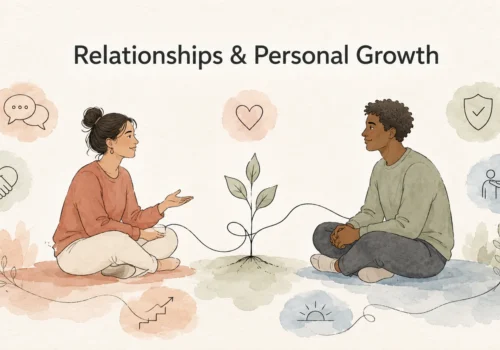
- Relationships, including communication, attachment, boundaries, conflict, and social connection.
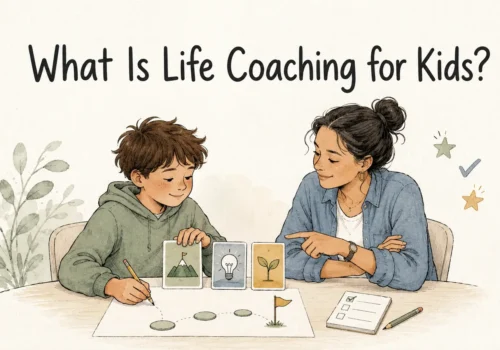
- Self-improvement and coaching, including goals, habits, motivation, confidence, decision-making, and non-clinical personal development.
- Workplace wellness, including burnout prevention, leadership, psychological safety, productivity, and work-life boundaries.
- Health and nutrition topics with a responsible and evidence-based connection to wellbeing.
A strong proposal answers one clear reader question, fits the author’s professional competence, explains why the subject matters, represents evidence fairly, acknowledges important limits, and offers realistic next steps. Please browse our existing categories before proposing a topic so your submission adds something useful rather than duplicating an existing article.
Editorial and evidence standards
Mental health and wellbeing information can influence real decisions. Authors must therefore follow these standards:
- Use authoritative sources. Prefer peer-reviewed research, systematic reviews, clinical guidelines, government health agencies, universities, and recognized professional organizations.
- Support material claims. Link statistics, prevalence estimates, treatment claims, and research findings to the original or most authoritative available source.
- Describe evidence accurately. Do not turn an association into causation, a small study into a universal conclusion, or early findings into established guidance.
- Use current information. Check whether clinical guidance or later research has changed an earlier conclusion.
- Stay within your scope. Clearly distinguish education, coaching, counselling, therapy, and medical care. Do not claim expertise or authority you do not hold.
- Write for readers. Use descriptive headings, short paragraphs, plain language, and practical examples. Avoid keyword stuffing and search-first filler.
- Use respectful language. Avoid stigma, blame, stereotypes, fear-based headlines, or language that reduces a person to a diagnosis.
- State important limits. Explain when evidence is mixed, when guidance may not suit everyone, and when professional or urgent support may be appropriate.
- Disclose conflicts. Identify any professional, organizational, commercial, or financial relationship connected to the subject.
What we do not accept
- Submissions from people who cannot verify a relevant degree, professional training, or current practice.
- Articles submitted under another person’s credentials or written by an undisclosed agency or ghostwriter.
- Previously published, copied, spun, plagiarized, or substantially duplicated material.
- AI-generated articles or fabricated quotations, references, credentials, case studies, or data.
- Unsupported medical claims, guaranteed cures, unsafe instructions, or content that discourages appropriate professional care.
- Promotional copy presented as independent education.
- Submissions created mainly to place a backlink, manipulate rankings, or borrow Beyondpsychub’s search reputation.
- Misleading, unrelated, unsafe, or excessively optimized links and anchor text.
- Discriminatory, stigmatizing, exploitative, or unnecessarily graphic content.
Editors may verify credentials and sources, request revisions, change a headline or structure, add internal links and disclosures, correct language, or reject a submission. Approval of an idea or request for revisions is not a guarantee of publication. Authors remain responsible for the originality and accuracy of work submitted under their names.
Commercial and sponsored enquiries
Editorial guest submissions are free. Sponsored content, advertising, or brand collaborations are separate commercial arrangements and must be declared in the first email. Commercial involvement does not bypass contributor eligibility, evidence standards, or editorial review, and it cannot purchase a favourable conclusion.
Any approved paid or commercially placed link will be relevant to readers and marked with rel="sponsored" or rel="nofollow sponsored" in line with Google’s link qualification guidance. We do not guarantee a dofollow link, permanent placement, traffic, indexing, or a search-ranking benefit.
Link Retention and Review
Approved author and professional links will normally remain in an article for one year from the date of placement, provided the article remains published and the links remain relevant, safe, functional and compliant with our editorial standards. After one year, links may remain at BeyondPsychub’s editorial discretion if they continue to provide value to readers.
BeyondPsychub may update, qualify, replace or remove links at any time, including during the initial one-year period, if a destination changes, becomes unavailable, becomes overly promotional, presents a safety or quality concern, or no longer meets our editorial guidelines. Permanent link placement is not guaranteed.
What accepted contributors receive
- An author byline and short biography showing relevant qualifications or professional practice.
- Editorial review for evidence, clarity, structure, citations, readability, safety, and alignment with the website.
- The opportunity to share useful professional knowledge with readers interested in psychology and wellbeing.
- Appropriate attribution and contextual internal linking within the article.
Publication does not create an employment relationship or guarantee payment, referrals, traffic, backlinks, or search visibility. Any commissioned writing fee or other paid arrangement must be agreed in writing before work begins.
How to submit an article
- Read the full Guest Post Guidelines.
- Confirm that you meet at least one contributor eligibility route and that the topic falls within your professional competence.
- Prepare an original article in a Word document or shareable Google Doc.
- Include your full name, proposed headline, references, completed qualification or relevant professional credential, and current role. A 50–100-word author bio is mandatory and must include a link to a public professional social-media profile or current website that identifies you.
- Disclose whether you represent a company, agency, client, product, or service connected to the submission, and identify any requested commercial link.
- Email the material to contact@beyondpsychub.com with the subject line Professional Contributor Submission: [Proposed Title].
- Allow 2–5 working days for the initial review. A request for changes does not guarantee publication.
There is no payment step for an ordinary editorial submission. Never send money in response to an unsolicited message claiming to guarantee publication on Beyondpsychub.
For a general question, use the Contact Us page. To understand our mission and editorial approach, visit About Beyondpsychub.
Frequently asked questions
Who can write for Beyondpsychub?
Submissions are accepted only from people with a relevant completed degree or verifiable current professional practice in psychology, counselling, coaching, social work, mental health, behavioural science, or a closely related field. Academics, researchers, educators, and qualified health professionals may also submit within their areas of expertise.
Do I need a psychology degree?
Not necessarily. A relevant completed psychology degree is one eligibility route. A practising counsellor, coach, psychotherapist, social worker, or similar professional may also qualify when their training, current practice, and competence for the proposed topic can be verified.
Can students or general content writers submit?
General writing experience, personal interest, or lived experience alone is not enough. Current students without a completed relevant qualification may not submit independently. An eligible professional must be the genuine author and take responsibility for the content; credentials cannot be borrowed for agency-written or ghostwritten submissions.
Is there a submission or publication fee?
No. Beyondpsychub does not charge a fee to submit an article or publish an accepted editorial contribution. Acceptance is based on eligibility, relevance, evidence, originality, and editorial quality—not payment.
How are qualifications verified?
Editors may check an awarding institution, professional register, membership directory, employer or university profile, recognized training credential, or current professional website. Additional verification may be requested when the subject involves clinical or other high-impact health claims.
Can I include a link to my website or organization?
You may request a relevant author or professional link, but every link is reviewed for usefulness, safety, and editorial fit. Commercial links must be disclosed and appropriately qualified. A dofollow link or ranking benefit is never guaranteed.
Do you accept AI-generated articles?
No. Authors must submit original work for which they personally accept responsibility. We do not accept fabricated citations, quotations, examples, data, or credentials.
How long does review take?
Please allow 2–5 working days for the initial review. You may receive a request for verification or revisions, an acceptance message with next steps, or a rejection. Submission does not reserve a publication date.
Ready to contribute?
If you meet the professional eligibility requirements, review the submission guidelines and email your article, mandatory author bio, professional social-media or website link, credentials, and references to contact@beyondpsychub.com. We welcome careful, evidence-informed work that serves readers first.