
Improving your health does not require a dramatic reset, an expensive wellness programme, or a perfect daily routine. The habits that matter most are usually simple: move regularly, eat a varied diet, protect your sleep, manage stress, and stay connected to other people.
The challenge is making those habits realistic enough to repeat. A plan that works on busy weekdays is more valuable than an extreme plan you abandon after a few days. These five health and wellness tips are based on guidance from major public-health organisations and can be adapted to different ages, schedules, fitness levels, cultures, and budgets.
Important: General wellness habits support health, but they do not replace medical care. Speak with a qualified professional before making major changes if you are pregnant, recovering from surgery, living with a chronic condition, taking medicines that affect diet or exercise, or experiencing persistent physical or mental-health symptoms.
Why Small Health Habits Make a Difference
Health is shaped by patterns rather than isolated choices. One workout cannot compensate for months of inactivity, and one nutritious meal cannot define an entire diet. In the same way, missing a workout or eating a dessert does not ruin your health.
Repeated behaviours influence cardiovascular health, blood-sugar control, muscle and bone strength, sleep quality, mood, concentration, and the risk of several long-term diseases. The most useful approach is therefore to choose a few evidence-based behaviours, make them easier to perform, and improve them gradually.
1. Move More and Build Strength
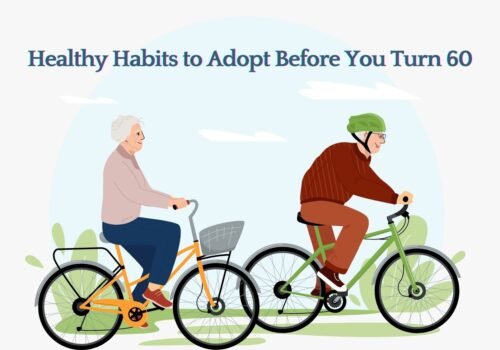
Physical activity is not only for weight loss. It supports the heart, brain, muscles, bones, balance, sleep, and emotional well-being. The World Health Organization recommends that adults complete at least 150–300 minutes of moderate-intensity aerobic activity each week, or 75–150 minutes of vigorous activity. Adults should also strengthen all major muscle groups on at least two days each week.
Moderate activity raises your breathing and heart rate while still allowing you to speak in short sentences. Brisk walking, cycling on level ground, dancing, active household work, and recreational swimming may qualify. Vigorous activity requires more effort and may include running, fast cycling, or energetic sports.
How to make movement practical
- Begin with a 10-minute walk after one meal and add time gradually.
- Stand, stretch, or walk briefly during long periods of sitting.
- Schedule two short strength sessions using body-weight exercises, resistance bands, or weights.
- Choose activities you enjoy rather than the ones that appear most impressive.
- Use stairs, walk during phone calls, or complete errands on foot when safe and practical.
The goal is not to become exhausted. The Centers for Disease Control and Prevention notes that some activity is better than none and that weekly exercise can be divided into smaller sessions. This makes movement more achievable for beginners and busy professionals.
If you have chest pain, fainting, unexplained breathlessness, severe joint pain, or a recent injury, obtain medical advice before pushing through symptoms.
2. Build Meals Around Minimally Processed Foods
A healthy diet does not have to follow one rigid pattern. According to the WHO’s healthy-diet guidance, nutritious eating is based on adequacy, balance, moderation, and diversity. For most people, that means regularly eating vegetables, fruits, pulses, whole grains, nuts, seeds, and suitable sources of protein while limiting foods high in sodium, free sugars, and unhealthy fats.
Instead of labelling foods as completely “good” or “bad,” look at your overall pattern. Add nutritious foods before focusing on restriction. This tends to be more sustainable and can improve fibre, vitamin, mineral, and protein intake without creating an all-or-nothing mindset.
A simple meal-building method
- Vegetables or fruit: Add seasonal produce, leafy vegetables, tomatoes, carrots, beans, berries, bananas, apples, or citrus fruit.
- Protein: Choose dal, beans, chickpeas, tofu, eggs, fish, poultry, curd, paneer, or another protein that fits your needs.
- High-fibre carbohydrate: Include oats, brown rice, whole-wheat roti, millet, quinoa, potatoes with skin, or another minimally processed staple.
- Healthy fat: Use moderate portions of nuts, seeds, nut butter, avocado, or unsaturated cooking oils.
Useful meal ideas include vegetable dal with whole-wheat roti, oats with fruit and nuts, curd with fruit and seeds, grilled fish with rice and vegetables, a chickpea salad, or a bean-and-vegetable wrap. Frozen and canned vegetables can also be nutritious when they do not contain excessive salt, sugar, or heavy sauces.
WHO advises people older than 10 to aim for at least 400 grams of fruit and vegetables and at least 25 grams of naturally occurring dietary fibre per day. These figures are useful population-level targets, but individual needs vary. People with kidney disease, digestive disorders, diabetes, food allergies, eating disorders, or other medical conditions may need personalised guidance.
3. Protect Your Sleep Routine
Sleep is an active biological process that supports memory, mood regulation, immune function, metabolism, heart health, and physical recovery. It is not simply unused time.
The CDC’s sleep guidance recommends at least seven hours per night for adults aged 18–60. Adults aged 61–64 generally need seven to nine hours, while adults aged 65 and older generally need seven to eight. Sleep quality and regularity also matter; spending eight hours in bed does not guarantee restorative sleep.
Habits that can support better sleep
- Keep your bedtime and waking time reasonably consistent, including on weekends.
- Get natural light earlier in the day and remain physically active.
- Create a short wind-down routine with dimmer lighting and a quiet activity.
- Reduce bright screens, work messages, and stimulating content near bedtime.
- Avoid using alcohol as a sleep aid; it can fragment sleep later in the night.
- Limit late caffeine if it delays sleep or makes it lighter.
- Keep the bedroom dark, quiet, comfortable, and appropriately cool.
Speak with a healthcare professional if insomnia continues for weeks, daytime sleepiness affects safety, or you experience loud snoring, choking, gasping, restless legs, morning headaches, or frequent awakenings. These symptoms may require more than basic sleep-hygiene advice.
4. Practise a Realistic Stress-Regulation Skill
Stress is a normal response to demands, uncertainty, and change. Short-term stress can help you react quickly, but persistent stress may affect sleep, digestion, concentration, mood, relationships, and health behaviours.
A calming practice cannot remove every source of pressure. It can, however, create a brief pause in which you notice what is happening and choose your next action more deliberately. Options include slow breathing, a short walk, progressive muscle relaxation, journalling, prayer, music, time in nature, or mindfulness practice.
The National Center for Complementary and Integrative Health reports that mindfulness-based approaches may help some people manage anxiety, stress, depression, pain, or sleep difficulties. However, the evidence varies, effects are not universal, and mindfulness should not be presented as a cure or a substitute for established treatment.
Try this two-minute reset
- Place both feet on the floor and relax your shoulders.
- Take a slow, comfortable breath without forcing it.
- Name three things you can see, two things you can hear, and one physical sensation.
- Ask, “What is the smallest helpful action I can take next?”
For ongoing anxiety, low mood, panic attacks, trauma symptoms, substance use, or stress that is disrupting daily life, seek professional support. Our guide to signs it may be time to see a therapist explains when additional help may be useful.
5. Strengthen Social Connection and Set Digital Boundaries
Wellness is not only physical and individual. Relationships, belonging, and supportive communities are also important parts of health. The WHO Commission on Social Connection describes loneliness and social isolation as widespread concerns with important consequences for physical and mental well-being.
Digital technology can help people stay connected, learn, and access support. The problem is not simply “screen time.” What you do online, when you do it, what it replaces, and how it makes you feel are often more useful questions than counting every minute.
Practical ways to improve connection
- Message or call one person you trust instead of waiting to feel more social.
- Share a regular meal, walk, class, hobby, faith activity, or volunteer role with others.
- Put phones away during important conversations.
- Mute nonessential notifications and remove the most distracting apps from your home screen.
- Avoid social media accounts that repeatedly leave you distressed, inadequate, or angry.
- Create at least one screen-free period, such as during meals or the final part of the evening.
Loneliness is not a personal failure. Moving home, caregiving, illness, disability, grief, discrimination, remote work, retirement, and relationship changes can all reduce connection. If loneliness is persistent or accompanied by depression, severe anxiety, hopelessness, or thoughts of self-harm, seek professional or emergency support in your area.
A Simple Seven-Day Wellness Plan
| Habit | Starter action | How to track it |
|---|---|---|
| Movement | Walk for 10 minutes on five days | Mark each completed walk |
| Strength | Complete one 15-minute beginner session | Record exercises and comfort level |
| Nutrition | Add a vegetable or fruit to two meals daily | Use a simple meal checklist |
| Sleep | Keep a consistent wake time | Note bedtime, wake time, and energy |
| Stress | Practise two minutes of slow breathing or grounding | Rate stress before and after |
| Connection | Contact one supportive person | Schedule the next conversation |
After one week, keep the habits that helped and adjust the ones that did not fit. Increase only one target at a time. For example, extend a walk from 10 to 15 minutes rather than changing your exercise, diet, sleep, and entire schedule on the same day.
Common Health and Wellness Myths
| Myth | What the evidence-based approach says |
|---|---|
| You must completely transform your lifestyle. | Small, repeatable changes can build into meaningful long-term patterns. |
| Exercise only counts if it is intense. | Moderate activity and shorter sessions provide benefits. Some activity is better than none. |
| Healthy eating requires expensive “superfoods.” | Affordable staples such as pulses, oats, seasonal produce, eggs, and whole grains can form nutritious meals. |
| Everyone needs exactly eight hours of sleep. | Sleep needs vary by age and person; quality, regularity, and daytime function matter too. |
| A digital detox will solve anxiety or fatigue. | Digital boundaries may help, but persistent symptoms can have many causes and deserve proper assessment. |
| Meditation works for everyone. | It helps some people, but it is one option and does not replace appropriate treatment. |
When Professional Advice Is Needed
General wellness advice is not enough when symptoms are severe, persistent, rapidly worsening, or interfering with daily life. Contact a qualified healthcare professional for unexplained weight change, ongoing fatigue, chronic pain, repeated dizziness, significant digestive symptoms, prolonged insomnia, severe anxiety, depressed mood, disordered eating, or exercise intolerance.
Seek urgent help for chest pain, difficulty breathing, signs of stroke, fainting, severe allergic reactions, confusion, or thoughts of harming yourself or someone else.
Key Takeaways
- Aim for regular aerobic movement and strength training, but begin at a level you can safely maintain.
- Build most meals from varied, minimally processed foods instead of following extreme rules.
- Protect a consistent sleep opportunity and seek help for ongoing sleep problems.
- Use brief stress-regulation practices as supportive tools, not miracle cures.
- Make social connection part of your health plan and use technology intentionally.
- Change one or two habits at a time and review what works in real life.
Frequently Asked Questions
What is the best health habit to start with?
Start with the habit that is both important and realistic. A regular wake time, a daily 10-minute walk, or adding vegetables to lunch may be easier to maintain than changing everything at once.
How long does it take to build a healthy habit?
There is no universal timeline. Habit formation depends on the behaviour, environment, motivation, and frequency. Focus on making the action easy to repeat rather than expecting it to become automatic by a particular date.
Do short workouts provide health benefits?
Yes. Activity can be divided into smaller sessions throughout the week. Short walks, active breaks, and brief strength sessions contribute to your total activity and are useful starting points.
What is the simplest way to improve my diet?
Add rather than overhaul: include one more serving of vegetables, fruit, pulses, whole grains, or protein in a meal you already eat. Repeating simple improvements is usually more sustainable than following a restrictive detox.
Is seven hours of sleep enough?
Seven hours is the minimum general recommendation for many adults aged 18–60, but some people need more. Consider sleep quality, consistency, and whether you feel alert and function safely during the day.
Should I completely stop using social media?
Not necessarily. Social media can support connection, but it can also disrupt sleep, attention, or mood. Adjust when and how you use it, mute harmful content, and protect offline relationships and activities.
Can wellness habits treat anxiety or depression?
Exercise, sleep, nutrition, stress-management skills, and social support may complement care, but they are not guaranteed treatments and should not replace professional assessment. Seek help when symptoms persist, worsen, or affect daily functioning.
References
- World Health Organization: Physical Activity
- Centers for Disease Control and Prevention: Adult Activity Guidelines
- World Health Organization: Healthy Diet
- Centers for Disease Control and Prevention: About Sleep
- National Center for Complementary and Integrative Health: Meditation and Mindfulness
- World Health Organization: Commission on Social Connection Report
This article is for educational purposes and does not replace personalised medical or mental-health advice.