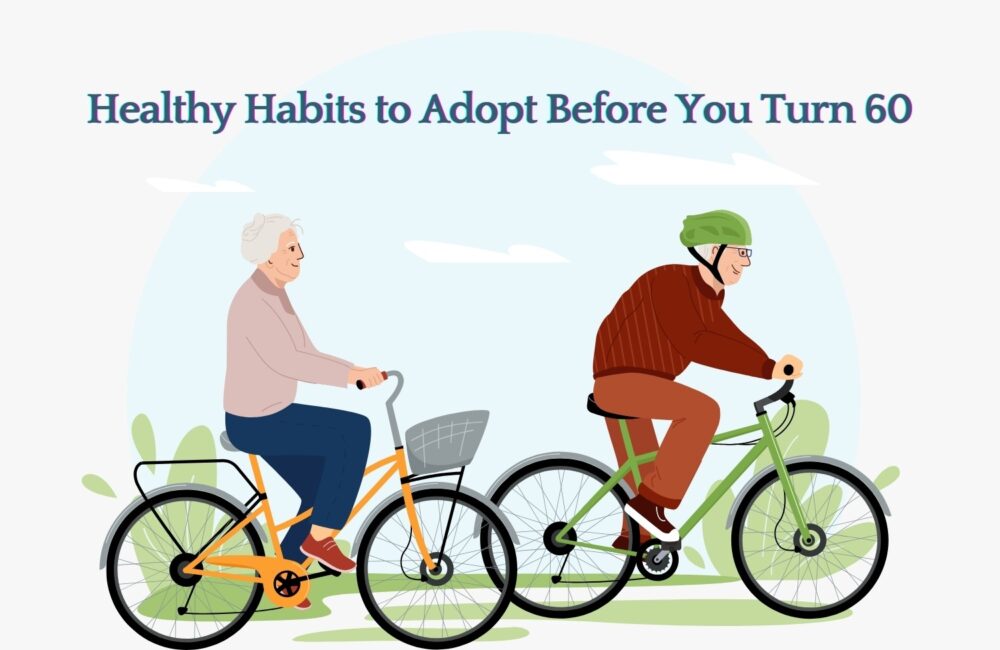

Turning 60 does not suddenly change your health, but the habits you build in your 40s and 50s can strongly influence mobility, independence, energy, and quality of life later on. The goal is not to avoid every illness or follow a perfect routine. It is to improve the factors you can control while keeping up with appropriate medical care.
Healthy aging is shaped by many influences, including genetics, income, environment, access to healthcare, and existing conditions. Lifestyle habits cannot guarantee a disease-free future, but they can support heart health, muscle and bone strength, sleep, mood, and day-to-day function. These eight healthy habits before 60 are practical places to begin.
Important: Speak with a qualified healthcare professional before making major changes to exercise, diet, alcohol use, or medication—especially if you have heart, kidney, metabolic, neurological, or mobility-related conditions.
Why Healthy Habits Matter Before 60
Age-related changes in muscle mass, bone density, balance, vision, hearing, metabolism, and recovery often develop gradually. Starting earlier gives you more time to build strength, improve health markers, address risk factors, and create routines that remain manageable as circumstances change.
The National Institute on Aging notes that healthy behaviors can help older adults maintain independence and quality of life. However, healthy aging is not a competition. Someone beginning at 58 can still benefit from movement, better sleep, nutritious food, smoking cessation, and stronger social support.
1. Eat for Heart, Muscle, and Bone Health
A healthy diet can take many forms. The World Health Organization describes four core principles: adequacy, balance, moderation, and diversity. For most adults, this means eating a variety of minimally processed foods while limiting excess sodium, free sugars, and unhealthy fats.
- Vegetables and fruit: Include different colors and types across the week.
- Protein: Choose options such as lentils, beans, chickpeas, tofu, eggs, fish, poultry, curd, paneer, or lean meat according to your needs.
- High-fibre carbohydrates: Use oats, millets, brown rice, whole-wheat roti, wholegrain bread, potatoes, and pulses.
- Unsaturated fats: Include moderate amounts of nuts, seeds, fish, and suitable plant oils.
- Calcium and vitamin D sources: Discuss food and supplement needs with a clinician, particularly if you have osteoporosis risk.
WHO recommends that people older than 10 aim for at least 400 grams of fruit and vegetables and 25 grams of naturally occurring fibre per day. Adults are also advised to keep salt below 5 grams daily. These are population-level targets, not personalized prescriptions.
You do not need to buy only organic foods to eat well. Organic certification does not mean a food contains “zero toxins,” and nutritious conventional foods remain valuable. Washing produce, varying food choices, and following local food-safety guidance are more practical priorities.
For a broader approach to daily nutrition, movement, and sleep, read our guide to evidence-based health and wellness habits.
2. Combine Aerobic Activity, Strength, and Balance
Walking is useful, but healthy aging requires more than cardiovascular activity alone. Strength training supports muscles and bones, while balance work can help prepare you for the increased fall risk that comes with age.
WHO recommends 150–300 minutes of moderate-intensity aerobic activity per week, or 75–150 minutes of vigorous activity, plus muscle-strengthening activity on at least two days. Adults aged 65 and older should also place added emphasis on functional balance and strength.
A realistic weekly pattern
- Brisk walking for 30 minutes on five days
- Two full-body strength sessions
- Brief balance practice three times weekly
- Regular movement breaks during prolonged sitting
Start below your maximum ability and progress gradually. Chair squats, wall push-ups, resistance-band rows, calf raises, and supported single-leg stands can be useful starting points. People with chest pain, fainting, severe breathlessness, uncontrolled blood pressure, recent surgery, or significant balance problems should seek medical or physiotherapy guidance first.
3. Protect Sleep and Address Sleep Disorders
Sleep supports memory, mood, immune function, metabolism, and physical recovery. Many adults blame worsening sleep entirely on age, but insomnia, sleep apnea, restless legs, medications, pain, alcohol, mood disorders, and irregular routines may all contribute.
- Keep a reasonably consistent sleep and wake time.
- Get daylight and physical activity earlier in the day.
- Reduce late caffeine and heavy evening meals.
- Use a quiet wind-down routine.
- Keep work, distressing news, and bright screens away from bedtime when possible.
Seek medical advice for loud snoring, choking or gasping during sleep, severe daytime sleepiness, morning headaches, or insomnia that continues for weeks. Persistent sleep problems deserve assessment rather than endless self-experimentation. Consumer devices may help reveal patterns, but our guide to what sleep trackers can and cannot tell you explains why they should not be used to diagnose a sleep disorder.
4. Manage Stress Without Expecting a Miracle Cure
Long-term stress can affect sleep, blood pressure, concentration, mood, relationships, and health behaviors. Stress-management practices do not remove financial, family, workplace, or medical problems, but they may help you respond more deliberately.
- Slow breathing or progressive muscle relaxation
- Walking, gardening, music, prayer, or time in nature
- Journaling or planning the next manageable action
- Mindfulness or meditation, if these feel helpful
- Professional therapy when stress is persistent or overwhelming
Explore our practical explanation of how mindfulness works and our guide to meditation and well-being. These approaches may support care, but they should not replace appropriate treatment for anxiety, depression, trauma, or another health condition.
5. Keep Up With Preventive Healthcare
Preventive care is not one identical checklist for everyone. Recommended screening depends on age, sex, family history, previous results, medicines, pregnancy history, smoking, alcohol use, and existing conditions.
- Blood pressure, cholesterol, and diabetes risk assessment
- Appropriate cancer screening
- Vaccinations recommended for your age and health status
- Dental, vision, and hearing care
- Bone-health and fall-risk assessment when indicated
- Medication and supplement review
- Mental-health screening and support
Bring a current medicine list to appointments and ask what each screening is for, what its possible harms are, and how often it is needed. More testing is not always better; the goal is informed, individualized care.
6. Hydrate According to Your Needs
Water supports circulation, temperature regulation, digestion, and normal organ function. However, “eight glasses a day” is not a universal requirement. Fluid needs vary with body size, climate, activity, diet, pregnancy, fever, and medical conditions.
- Drink regularly rather than waiting for intense thirst.
- Increase fluids during heat, exercise, fever, vomiting, or diarrhea when medically appropriate.
- Include water-rich foods such as fruit, vegetables, soups, and curd.
- Notice signs such as dark urine, dry mouth, dizziness, and unusual fatigue.
People with heart failure, kidney disease, liver disease, low sodium, or certain medication regimens may need fluid limits or tailored advice. In those situations, follow the healthcare team’s instructions instead of generic hydration targets.
7. Protect Social Connection and Mental Health
Social isolation and loneliness are not the same. Isolation means having few social contacts, while loneliness is the distressing feeling of disconnection. Both can become more likely with retirement, caregiving, bereavement, disability, relocation, hearing loss, or family changes.
The National Institute on Aging reports that social isolation and loneliness are associated with higher risks of depression, heart disease, and cognitive decline. Connection does not require a large social circle; reliable, meaningful contact matters.
- Schedule regular calls, walks, meals, or visits.
- Join a class, volunteer group, faith community, or local club.
- Address hearing or vision problems that make conversation difficult.
- Use technology to support real relationships rather than replace them.
- Seek help for persistent low mood, anxiety, grief, or loss of interest.
If emotional distress is affecting sleep, work, relationships, or daily functioning, review these signs it may be time to see a therapist.
8. Avoid Tobacco and Reconsider Alcohol
Stopping tobacco use is beneficial at any age. Quitting reduces exposure to a major cause of cancer, cardiovascular disease, stroke, and chronic lung disease. Support may include counseling, medicines, nicotine-replacement therapy, quit lines, and follow-up care.
Alcohol advice has also become more cautious. Drinking less lowers risk, and not drinking is a valid choice. Alcohol can interact with medicines, disturb sleep, increase fall risk, worsen liver disease, and contribute to several cancers. People who are pregnant, driving, taking interacting medicines, recovering from alcohol-use disorder, or living with certain conditions should avoid it.
If cutting down causes tremor, sweating, nausea, severe anxiety, hallucinations, or seizures, seek urgent medical care. Alcohol withdrawal can be dangerous and may require supervised treatment.
A Four-Week Healthy Aging Starter Plan
| Week | Main focus | Starter action |
|---|---|---|
| 1 | Movement | Walk for 10–15 minutes on five days and complete one short strength session. |
| 2 | Food and hydration | Add vegetables or fruit to two meals daily and keep water easily available. |
| 3 | Sleep and stress | Keep a consistent wake time and practise a five-minute wind-down routine. |
| 4 | Prevention and connection | Book one overdue health appointment and contact one supportive person. |
At the end of four weeks, continue what helped and adjust what did not fit. Sustainable progress usually comes from improving one or two behaviors at a time.
Common Myths About Healthy Aging
| Myth | Reality |
|---|---|
| It is too late to improve health after 50. | Many habits can still improve function, health markers, and quality of life. |
| Walking is all the exercise older adults need. | Aerobic activity is valuable, but strength and balance training are also important. |
| Only organic food is safe or healthy. | A varied, nutritious diet can include conventional or organic foods. |
| Everyone needs eight glasses of water. | Fluid needs vary, and some medical conditions require individualized limits. |
| Sleep problems are simply part of aging. | Many sleep problems have treatable causes and should be assessed when persistent. |
| Moderate alcohol is necessary for heart health. | No one needs to start drinking for health, and less alcohol generally means less risk. |
When to Seek Professional Advice
Consult a healthcare professional for unexplained weight loss, persistent fatigue, chest pain, breathlessness, repeated falls, severe joint pain, memory changes, prolonged insomnia, low mood, or difficulty managing medicines and daily activities. Seek urgent care for symptoms of stroke, severe chest pain, fainting, major breathing difficulty, confusion, or thoughts of self-harm.
Key Takeaways
- Healthy aging depends on consistent patterns, not perfection.
- Combine aerobic movement with strength and balance training.
- Choose varied, minimally processed foods without relying on fear-based food claims.
- Protect sleep, mental health, and social connection.
- Use preventive healthcare based on individual risk.
- Avoid tobacco, drink less alcohol, and seek help when stopping is difficult.
- Start with small changes you can maintain.
Frequently Asked Questions
Is 55 too late to start exercising?
No. Many people can safely become more active in midlife and later. Start gradually and seek medical advice if you have symptoms, significant limitations, or an unstable health condition.
What is the most important habit before 60?
There is no single best habit for everyone. The highest priority may be stopping tobacco, improving blood pressure, becoming more active, treating sleep apnea, or addressing depression, depending on your risks.
How much protein do adults approaching 60 need?
Protein needs vary with body size, activity, kidney function, illness, and goals. Include protein across meals and ask a dietitian or clinician for a personalized target if you have medical conditions or muscle loss.
Do I need supplements for healthy aging?
Not automatically. Supplements are useful when a deficiency, dietary limitation, medication interaction, or clinical need is identified. More is not always better, and some supplements interact with medicines.
How can I improve balance before 60?
Strength training, tai chi, yoga, and supported balance drills may help. A physiotherapist can assess gait, footwear, vision, medicines, and home hazards if you have fallen or feel unsteady.
Should I avoid carbohydrates as I age?
Most people do not need to avoid carbohydrates. Emphasize fibre-rich sources such as whole grains, pulses, fruit, and vegetables, with portions adapted to your energy needs and health conditions.
Can healthy habits prevent dementia?
No habit can guarantee prevention. Physical activity, cardiovascular risk management, social connection, adequate sleep, and treating hearing loss may support brain health, but dementia has many causes and risk factors.
References
- World Health Organization: Healthy Diet
- World Health Organization: Everyday Actions for Better Health
- World Health Organization: Sodium Reduction
- National Institute on Aging: What Do We Know About Healthy Aging?
- National Institute on Aging: Healthy Aging Tips
This article is for educational purposes and does not replace personalized medical, nutritional, or mental-health advice.