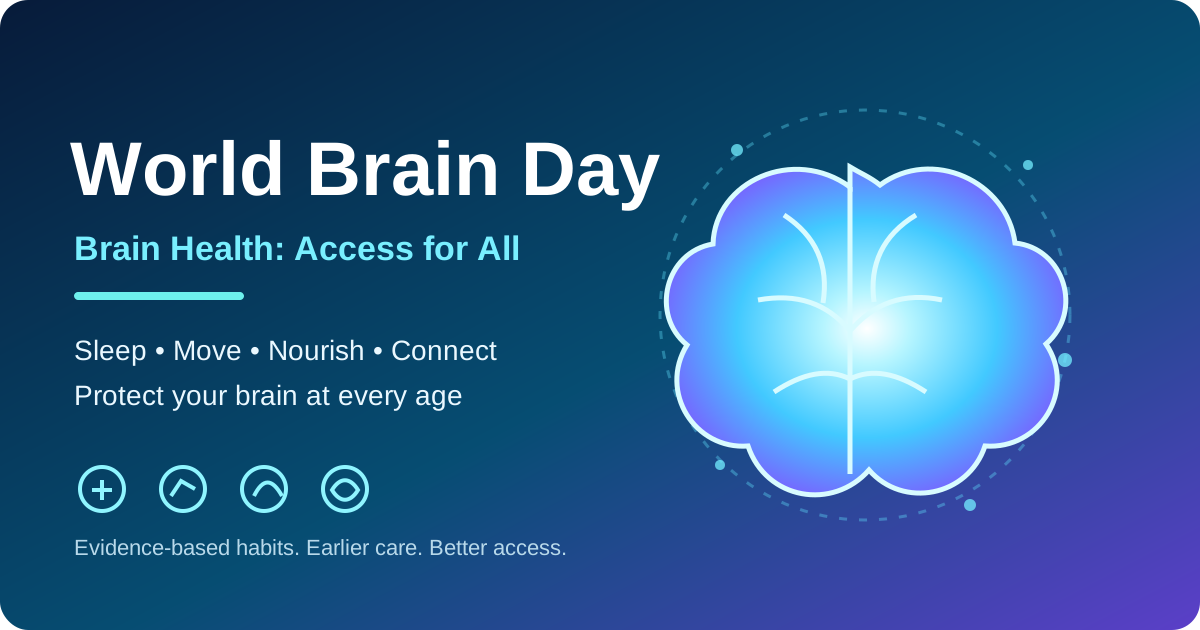

World Brain Day, observed every year on July 22, is more than an awareness date. It is a reminder that the brain supports nearly everything we do—thinking, learning, remembering, moving, communicating, sleeping, regulating emotions, and maintaining independence.
The official World Brain Day 2026 theme is “Brain Health: Access for All.” The campaign draws attention to a major global problem: scientific progress in neurology has accelerated, yet millions of people still face delays in diagnosis, shortages of trained specialists, unaffordable treatment, stigma, and limited rehabilitation services.
According to the World Federation of Neurology, more than 3.4 billion people worldwide live with neurological conditions. The World Health Organization also identifies neurological conditions as a leading cause of ill health and disability worldwide. These figures make brain health both a personal wellness priority and a public-health responsibility.
The encouraging news is that brain health is not determined by one factor alone. Access to timely care matters, but so do everyday habits such as sleep, physical activity, nutrition, social connection, blood-pressure control, stress management, and avoiding tobacco. These actions cannot prevent every neurological disorder, but they can support cognitive, emotional, and vascular health throughout life.
What Is World Brain Day?
World Brain Day was launched by the World Federation of Neurology and is marked annually on July 22. The date recognizes the founding of the federation and brings together clinicians, researchers, patient organizations, policymakers, and communities to improve public understanding of neurological health.
Each year, the campaign focuses on a major neurological issue. For 2026, the emphasis is equitable access. The central message is straightforward: advances in brain science have limited value when people cannot reach screening, diagnosis, treatment, medicines, rehabilitation, or community support.
What Does “Brain Health: Access for All” Mean?
Access to brain health care includes more than getting an appointment with a neurologist. It involves a complete pathway:
- Clear and trustworthy health information
- Affordable preventive care and health screening
- Early recognition of warning signs
- Timely diagnosis and specialist referral
- Access to essential medicines and treatments
- Rehabilitation after stroke, injury, or illness
- Mental-health and caregiver support
- Inclusive services for people with disabilities
Barriers may include cost, geography, long waiting periods, shortages of trained professionals, inaccessible facilities, cultural stigma, and poor awareness. These challenges are often greater in rural and underserved communities, but they also affect people in high-income countries.
The 2026 campaign is built around five practical ideas: brain health is for everyone, earlier access changes lives, prevention begins in daily life, care should be available closer to home, and awareness should lead to measurable action.
What Is Brain Health?
Brain health describes how well the brain functions across several areas. The National Institute on Aging explains that brain health includes cognitive, motor, emotional, tactile, and sensory functions.
- Cognitive function: Thinking, learning, attention, problem-solving, and memory
- Motor function: Movement, coordination, and balance
- Emotional function: Understanding and responding to emotions
- Sensory function: Seeing, hearing, tasting, and smelling
- Tactile function: Feeling touch, pressure, pain, and temperature
Brain health is therefore not limited to dementia prevention. It also includes stroke prevention, injury protection, emotional wellness, sleep, medication safety, and the ability to function well in daily life.
Why Brain Health Matters at Every Age
Brain health is often discussed in relation to older adults, but protection begins much earlier.
Children and adolescents
Nutrition, sleep, physical activity, education, emotional safety, and protection from head injuries support healthy development. Early treatment for epilepsy, developmental disorders, infections, or mental-health concerns can affect learning and long-term quality of life.
Working-age adults
Long work hours, chronic stress, inactivity, poor sleep, high blood pressure, diabetes, alcohol misuse, and burnout can affect concentration, mood, and vascular health. Small changes made during adulthood can influence future risk.
Older adults
Aging can bring changes in memory and processing speed, but severe cognitive decline is not an unavoidable part of growing older. Managing chronic disease, staying active, maintaining social relationships, reviewing medicines, and continuing to learn can support healthy function.
For a wider prevention plan, see 8 Healthy Habits to Build Before Age 60.
Six Evidence-Based Pillars of Everyday Brain Health
1. Protect sleep
Sleep supports attention, emotional regulation, learning, and memory consolidation. Regularly sleeping too little can also worsen blood-pressure control, blood sugar, mood, and daytime alertness.
Helpful habits include keeping a regular sleep schedule, limiting late-night caffeine, reducing bright-screen exposure before bed, and seeking professional advice for persistent insomnia, loud snoring, choking during sleep, or severe daytime sleepiness.
Consumer devices may help identify patterns, but they are not diagnostic tools. Read what sleep trackers can and cannot tell you before relying heavily on a sleep score.
2. Move regularly
Physical activity supports blood flow, cardiovascular health, balance, sleep, and mood. Research reviewed by the National Institute on Aging links regular movement with several markers of healthier cognitive aging, although no exercise routine can guarantee prevention of dementia.
A practical target for many adults is at least 150 minutes of moderate physical activity each week, along with muscle-strengthening activities on two or more days. Walking, cycling, swimming, dancing, household work, and active play all count.
People who have been inactive, have significant health conditions, or want to begin vigorous exercise should speak with a qualified health professional first.
3. Support vascular health
The brain depends on a healthy supply of oxygen-rich blood. High blood pressure, diabetes, high cholesterol, smoking, and some heart conditions can increase the risk of stroke and cognitive problems.
Useful actions include:
- Checking blood pressure as recommended
- Taking prescribed medicines consistently
- Managing blood sugar and cholesterol
- Avoiding tobacco and secondhand smoke
- Limiting excessive alcohol use
- Attending preventive health appointments
Do not stop prescribed medicine because of something you read online. Discuss side effects, costs, or concerns with your clinician or pharmacist.
4. Eat for overall brain and heart health
No single “brain food” or supplement can prevent neurological disease. A balanced dietary pattern is more important than one ingredient.
Build meals around:
- Vegetables and fruit
- Beans and lentils
- Whole grains
- Nuts and seeds
- Fish or other lean protein sources
- Unsaturated fats such as olive oil
- Water and other low-sugar drinks
Mediterranean-style and MIND-style eating patterns are being studied for cognitive health. Observational findings are promising, but research is still mixed, and these patterns should not be presented as guaranteed dementia prevention.
Simple meal ideas include oatmeal with berries and walnuts, lentil soup with vegetables, fish with whole grains and greens, yogurt with fruit and seeds, or a chickpea salad with olive oil and lemon.
5. Manage stress and protect mental wellness
Chronic stress can disrupt sleep, attention, memory, and decision-making. Depression, anxiety, burnout, loneliness, and neurological conditions can also influence one another.
Helpful strategies include regular movement, breathing exercises, mindfulness, journaling, realistic work boundaries, time outdoors, and speaking with supportive people. When distress is persistent or interferes with daily life, professional mental-health support is appropriate.
Our guide to building a healthier work-life balance offers additional practical steps for reducing long-term overload.
6. Stay mentally and socially engaged
Reading, learning a new skill, creative activities, volunteering, and meaningful conversation stimulate the brain and may support quality of life. However, commercial “brain-training” games should not be treated as a stand-alone prevention strategy.
Social connection also matters. Regular contact with family, friends, neighbors, or community groups can reduce isolation and support emotional well-being. The goal is not constant social activity; it is having relationships that feel safe, meaningful, and supportive.
Common Brain-Health Myths
Myth: Memory loss always means dementia
Forgetfulness can result from poor sleep, stress, depression, medication effects, vitamin deficiency, thyroid problems, pain, or normal aging. Persistent or worsening changes still deserve assessment.
Myth: Supplements can prevent dementia
No vitamin or supplement is universally recommended to prevent dementia. Supplements may be necessary for a diagnosed deficiency or another medical reason, but they can also interact with medicines.
Myth: Brain games are enough
Puzzles can be enjoyable, but they cannot replace physical activity, sleep, cardiovascular risk management, nutritious food, social connection, and medical care.
Myth: Neurological conditions only affect older people
Epilepsy, migraine, infections, traumatic brain injury, developmental disorders, multiple sclerosis, and other neurological conditions can occur at many ages.
Myth: Nothing can be done after a neurological diagnosis
Many conditions can be treated, controlled, rehabilitated, or supported. Early care may reduce complications and help people maintain independence and quality of life.
Warning Signs That Need Medical Attention
Seek professional advice for new, persistent, or worsening symptoms such as:
- Memory problems that interfere with daily tasks
- Repeated confusion or disorientation
- New trouble speaking, understanding, seeing, or walking
- Unexplained weakness, tremor, numbness, or balance problems
- Seizures or episodes of lost awareness
- Severe or unusual headaches
- Major changes in behavior, mood, or personality
- Sleep problems that continue despite healthy routines
Recognize possible stroke symptoms
A stroke is an emergency. The Centers for Disease Control and Prevention advises immediate action for sudden weakness or numbness—especially on one side—confusion, difficulty speaking or understanding speech, vision changes, loss of balance, or a severe unexplained headache.
Use the B.E. F.A.S.T. reminder:
- B — Balance: Sudden loss of balance or coordination
- E — Eyes: Sudden vision trouble
- F — Face: One side of the face droops
- A — Arm: One arm becomes weak or numb
- S — Speech: Speech is slurred, confused, or difficult
- T — Time: Call local emergency services immediately
Do not drive yourself if emergency medical transport is available. Rapid treatment can reduce brain damage and disability.
How to Improve Access to Brain Health
World Brain Day 2026 asks people to move beyond awareness. Individuals, families, employers, health systems, and governments all have roles.
What individuals and families can do
- Learn stroke, seizure, and neurological warning signs
- Keep an updated list of medicines and medical history
- Ask for explanations in clear language
- Use reputable telehealth services when appropriate
- Seek a second opinion when a serious concern remains unresolved
- Connect with credible patient and caregiver organizations
What workplaces and communities can do
- Provide flexible support for appointments and caregiving
- Offer mental-health and disability accommodations
- Make health information accessible in multiple languages and formats
- Support stroke-awareness, first-aid, and prevention programs
- Reduce stigma around neurological and mental-health conditions
What health systems and policymakers can do
- Strengthen primary-care screening and referral pathways
- Train more neurological and rehabilitation professionals
- Expand rural and community-based services
- Improve access to essential medicines and assistive technologies
- Include brain health in universal-health-coverage planning
Meaningful Ways to Observe World Brain Day
One awareness day cannot solve access gaps, but it can start practical action. Consider choosing one step:
- Check your blood pressure or schedule a preventive health visit.
- Learn and share the B.E. F.A.S.T. stroke warning signs.
- Begin a realistic sleep or walking routine.
- Prepare a balanced brain- and heart-supportive meal.
- Check in with someone living with a neurological condition or caring for a family member.
- Share accurate information from the WHO, WFN, NIH, or CDC.
- Advocate for accessible care in your workplace or community.
Key Takeaways
- World Brain Day is observed annually on July 22.
- The 2026 theme is “Brain Health: Access for All.”
- Brain health includes cognitive, emotional, sensory, tactile, and motor function.
- Sleep, movement, balanced nutrition, social connection, mental wellness, and vascular-risk management support brain health.
- No lifestyle habit can guarantee prevention, and supplements are not a substitute for medical care.
- Sudden stroke symptoms require immediate emergency help.
- Better brain health depends on both personal habits and fair access to diagnosis, treatment, rehabilitation, and support.
Frequently Asked Questions
When is World Brain Day?
World Brain Day is observed every year on July 22.
What is the World Brain Day 2026 theme?
The official theme is “Brain Health: Access for All,” emphasizing timely, affordable, equitable access to prevention, diagnosis, treatment, rehabilitation, and support.
What are the most important daily habits for brain health?
Regular physical activity, sufficient sleep, balanced nutrition, tobacco avoidance, stress management, social connection, and control of blood pressure, cholesterol, and diabetes are strong foundations.
Can brain decline be prevented?
Not every neurological condition or age-related change can be prevented. However, managing modifiable risks may support cognitive health and reduce the risk of stroke and some forms of decline.
Do brain supplements work?
Most healthy adults do not need a supplement specifically for brain health. Evidence for preventing cognitive decline is limited, and some products may interact with medicines. Use supplements only when medically appropriate.
How much exercise supports brain health?
Many guidelines recommend at least 150 minutes of moderate activity each week, plus muscle-strengthening activity. The right amount depends on health status, mobility, and medical advice.
When should memory problems be evaluated?
Seek assessment when memory changes are worsening, interfere with work or daily tasks, create safety concerns, or occur with language, behavior, balance, or movement changes.
How can communities improve access to brain care?
Communities can improve public education, reduce stigma, support caregivers, expand accessible local and telehealth services, and advocate for affordable medicines, rehabilitation, and trained professionals.
References
- World Federation of Neurology: World Brain Day 2026
- World Federation of Neurology: Brain Health—Access for All
- World Health Organization: Brain Health
- World Health Organization: Global Status Report on Neurology
- National Institute on Aging: Cognitive Health and Older Adults
- Centers for Disease Control and Prevention: Signs and Symptoms of Stroke
This article is for education only and does not replace diagnosis or treatment from a qualified health professional.