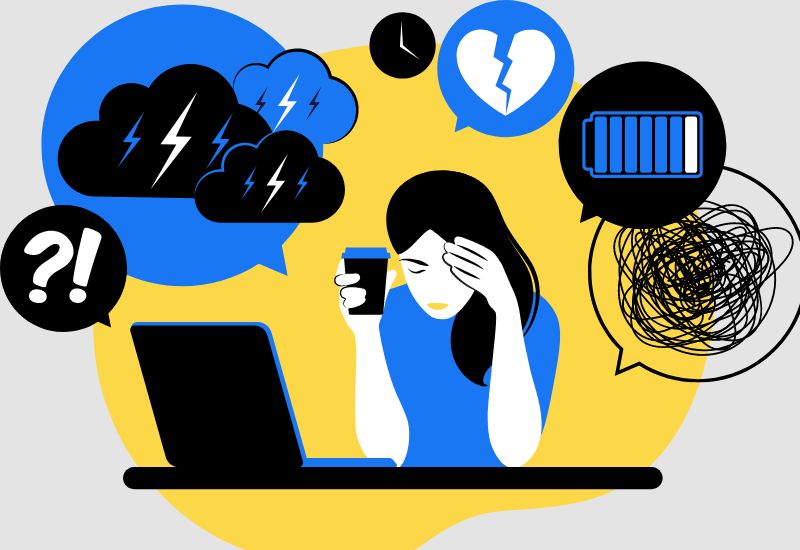

Depression is more than feeling sad after a difficult day. It is a common but serious mental health condition that can affect mood, interest, energy, sleep, appetite, concentration, movement, relationships, work, physical health, and a person’s sense of hope.
According to the World Health Organization, an estimated 332 million people worldwide were living with depression in 2021. Depression can affect people of any age, background, gender, or income level. It is treatable, but many people do not receive timely care because of stigma, cost, limited services, misdiagnosis, or the belief that they should be able to “snap out of it.”
This guide explains the symptoms, causes, types, diagnosis, treatment options, risks, and practical steps that can support recovery.
What Is Depression?
Depression is a mood disorder marked by persistent low mood, loss of interest or pleasure, or both, together with other emotional, cognitive, physical, and behavioural symptoms.
For a major depressive episode, symptoms are generally present most of the day, nearly every day, for at least two weeks. They must represent a meaningful change from the person’s usual functioning and cause distress or difficulty in daily life.
Depression can be mild, moderate, or severe. Some people continue working or caring for family while feeling emotionally empty and exhausted. Others may struggle to get out of bed, eat, communicate, or stay safe. Outward appearance does not always reveal severity.
Depression Versus Sadness, Grief, and Burnout
| Experience | Typical pattern |
|---|---|
| Sadness | Usually linked to an event, changes over time, and does not consistently affect all areas of life |
| Grief | Often comes in waves after a loss; positive memories and connection may remain possible |
| Burnout | Usually linked to chronic workplace stress and may improve away from work |
| Depression | Persistent low mood or loss of interest with wider changes in thinking, sleep, energy, appetite, movement, and function |
These experiences can overlap. Bereavement can occur with major depression. Burnout can coexist with anxiety or depression. A clinician considers duration, severity, functional impact, context, and safety rather than relying on one symptom.
For workplace-specific symptoms, see Burnout: Signs, Causes and Risk Factors.
Core Symptoms of Depression
Two central symptoms are:
- Persistent depressed, empty, or irritable mood
- Marked loss of interest or pleasure in activities
Other symptoms may include:
- Low energy or fatigue
- Sleeping too little, waking early, or sleeping excessively
- Reduced or increased appetite
- Unintentional weight loss or gain
- Difficulty concentrating, remembering, or making decisions
- Feeling worthless, hopeless, or excessively guilty
- Moving or speaking more slowly than usual
- Restlessness or inability to sit still
- Thoughts of death, self-harm, or suicide
Not everyone experiences depression as sadness. Some people mainly report numbness, irritability, anger, loss of motivation, physical pain, or feeling disconnected from life.
Emotional and Cognitive Symptoms
- Hopelessness about the future
- Harsh self-criticism
- Difficulty feeling pleasure
- Excessive guilt
- Feeling like a burden
- Indecisiveness
- Reduced confidence
- Thoughts such as “nothing will improve”
- Difficulty imagining solutions
These thoughts are symptoms, not objective facts. Depression can narrow attention toward loss, failure, and threat while making positive information harder to notice.
Behavioural and Social Signs
- Withdrawing from friends or family
- Stopping hobbies or exercise
- Missing work, school, or appointments
- Neglecting hygiene, meals, or medication
- Using alcohol, sedatives, or drugs to cope
- Reduced sexual interest
- Working excessively to avoid feelings
- Giving away possessions or saying goodbye unexpectedly
Substance use and depression can influence each other. Alcohol or drugs may temporarily numb distress but often worsen sleep, mood, impulsivity, and suicide risk. Read more about substance use disorder.
Physical Symptoms of Depression
Depression affects the body as well as the mind. Possible physical symptoms include:
- Persistent fatigue
- Headaches
- Muscle or joint pain
- Digestive discomfort
- Chest tightness or a sense of heaviness
- Changes in appetite
- Sleep disturbance
- Reduced libido
- Slowed movement
- Agitation
These symptoms can also result from medical conditions, medication effects, sleep disorders, substance use, or other mental health conditions. A medical review is important when symptoms are new, severe, or unexplained.
How Depression Can Look Different Across People
Children and adolescents
Young people may show irritability, falling grades, school refusal, withdrawal, sleep changes, physical complaints, self-harm, or loss of interest. Behaviour that looks like laziness or defiance may reflect depression, anxiety, trauma, ADHD, bullying, substance use, or another problem.
Men
Some men report anger, risk-taking, work overinvolvement, substance use, physical symptoms, or emotional numbness rather than openly describing sadness. These patterns are not universal, and men should not be treated as one group. Learn more in Men’s Mental Health: Stigma, Signs and Support.
Older adults
Depression in later life may appear as low motivation, poor concentration, sleep problems, physical complaints, or apparent memory decline. Dementia, delirium, grief, medication effects, loneliness, pain, and depression can overlap and require careful assessment.
Pregnancy and the postpartum period
Perinatal depression can occur during pregnancy or after birth. It is not simply caused by tiredness or routine changes. Biological, psychological, relationship, social, and medical factors may contribute. Severe confusion, unusual beliefs, hallucinations, or rapidly changing behaviour after birth may signal postpartum psychosis, which requires urgent emergency care.
Types and Patterns of Depression
Major depressive disorder
This involves one or more major depressive episodes that are not better explained by bipolar disorder, substances, or another medical condition.
Persistent depressive disorder
This is a long-lasting depressive pattern. Symptoms may be less intense than a major episode but continue for years and can still cause substantial impairment.
Depression with seasonal pattern
Episodes follow a recurring seasonal pattern, commonly beginning in autumn or winter and improving in spring, although other patterns can occur. Diagnosis requires more than feeling less energetic during cold weather.
Perinatal depression
This begins during pregnancy or in the weeks or months after childbirth and refers to depression in the person who is pregnant or has given birth. Partners and other parents can also develop depression during this period, but their condition is assessed separately.
Depression with psychotic features
Severe depression may include delusions or hallucinations. Psychosis means difficulty distinguishing internal experiences from shared reality. It requires urgent specialist assessment.
Melancholic or atypical features
Clinicians may use these specifiers to describe symptom patterns. Melancholic features can include profound loss of pleasure, early waking, marked slowing or agitation, and excessive guilt. Atypical features may include mood reactivity, increased sleep, increased appetite, heavy-limbed feelings, and sensitivity to rejection.
Bipolar Depression Is Different
Bipolar disorder is not a type of unipolar depression. A person with bipolar disorder may experience depressive episodes, but they also have a history of mania or hypomania.
Possible signs of past mania or hypomania include:
- Unusually elevated or intensely irritable mood
- Much less need for sleep without feeling tired
- Rapid speech or racing thoughts
- Inflated confidence
- Marked increase in goal-directed activity
- Impulsive spending, sexual behaviour, driving, or business decisions
This distinction matters because treatment plans differ, and antidepressant treatment without recognizing bipolar disorder may be ineffective or destabilizing for some people. See Living With Bipolar Disorder.
What Causes Depression?
Depression does not have one universal cause. It usually develops through an interaction of biological, psychological, social, and environmental factors.
Genetic and biological vulnerability
Depression can run in families, but genes do not make it inevitable. Brain networks involved in mood, reward, sleep, stress response, attention, and motivation may function differently during depression. The condition cannot be reduced to a simple “chemical imbalance.”
Stressful life events
- Bereavement
- Relationship breakdown
- Abuse or violence
- Job loss or financial hardship
- Migration or displacement
- Caregiving stress
- Academic or workplace pressure
- Chronic loneliness
Stressful events can increase risk, but not everyone exposed to them develops depression.
Trauma and adversity
Childhood adversity, discrimination, neglect, violence, and traumatic experiences can affect stress regulation and increase vulnerability. Trauma does not explain every case, and people should not be pressured to identify a hidden trauma.
Physical illness and pain
Stroke, heart disease, cancer, diabetes, neurological illness, hormonal conditions, chronic pain, and other health problems may increase risk through biological effects, disability, medication, stress, or loss of independence.
Medication and substance effects
Some medicines, alcohol, sedatives, stimulants, or withdrawal states can contribute to depressive symptoms. Never stop a prescribed medicine abruptly without medical advice.
Social conditions
Poverty, unsafe housing, discrimination, unemployment, limited healthcare access, isolation, and caregiving burdens can contribute to depression and create barriers to recovery.
For a deeper discussion, read Exploring the Underlying Causes of Depression.
Conditions That Can Resemble Depression
A clinician may consider:
- Bipolar disorder
- Grief
- Burnout
- Anxiety disorders
- PTSD
- Substance-related conditions
- Sleep apnea or severe sleep deprivation
- Thyroid disease
- Anaemia or vitamin deficiency
- Neurological illness
- Medication side effects
- Dementia or delirium
Blood tests cannot diagnose depression, but they may help identify medical contributors when clinically indicated.
How Depression Is Diagnosed
Diagnosis is based on a clinical assessment, not one questionnaire or brain scan. A healthcare professional may ask about:
- Symptoms, duration, and severity
- Impact on work, school, relationships, and self-care
- Suicidal thoughts or self-harm
- Past depressive episodes
- Past mania or hypomania
- Psychotic symptoms
- Alcohol and drug use
- Medical conditions and medicines
- Trauma, stress, and social circumstances
- Family mental health history
Screening tools such as the PHQ-9 can support assessment and monitoring, but they do not replace clinical judgment.
When to Seek Professional Help
Seek an assessment when symptoms:
- Last for two weeks or longer
- Are becoming more severe
- Interfere with work, school, relationships, or self-care
- Lead to alcohol or drug use
- Include self-harm, suicidal thoughts, or psychosis
- Occur during pregnancy or after childbirth
- Alternate with periods of unusually high energy or reduced need for sleep
See signs it may be time to see a therapist.
Suicide and Immediate Safety
Thoughts such as “I wish I would not wake up,” “people would be better without me,” or active plans to die require direct attention. Asking someone whether they are thinking about suicide does not plant the idea.
If someone may be in immediate danger:
- Stay with them if it is safe to do so.
- Ask directly about suicidal thoughts, plans, intent, and access to lethal means.
- Reduce access to medicines, weapons, or other lethal means when this can be done safely.
- Contact local emergency services or go to the nearest emergency department.
- Do not rely only on promises that the person will stay safe.
In India, Tele-MANAS can be reached at 14416 or 1800-89-14416. This is not a substitute for emergency services when danger is immediate.
Evidence-Based Treatment for Depression
Treatment should be matched to severity, symptoms, risk, previous response, medical conditions, access, and personal preference. Many people use more than one approach.
Psychological therapies
Evidence-based options may include:
- Cognitive behavioural therapy
- Behavioural activation
- Interpersonal psychotherapy
- Problem-solving therapy
- Mindfulness-based cognitive therapy for relapse prevention in selected people
- Couples or family interventions when relationship factors are relevant
Therapy does not simply replace negative thoughts with positive ones. It can help identify patterns, test beliefs, increase meaningful activity, improve relationships, solve practical problems, and build relapse-prevention skills.
Read more about CBT for Depression.
Antidepressant medication
Antidepressants may be recommended for moderate or severe depression, recurrent depression, or when psychological therapy alone has not been enough. They may also be used for some people with milder depression after shared decision-making.
Important points include:
- Benefits often take several weeks to become clear.
- Side effects vary by medicine.
- Some people experience temporary increased agitation or suicidal thoughts, especially early in treatment or after dose changes, and need monitoring.
- Antidepressants are not considered addictive in the same way as alcohol, nicotine, or benzodiazepines, but stopping suddenly can cause withdrawal symptoms.
- Doses should usually be reduced gradually with medical guidance.
- Medication choice should consider pregnancy, age, physical health, other medicines, and past response.
Electroconvulsive therapy
ECT can be highly effective for severe depression, especially when there is psychosis, catatonia, life-threatening refusal of food or fluids, severe suicide risk, or a need for rapid response. It is performed under general anaesthesia with muscle relaxation. Temporary memory problems and other risks should be discussed through informed consent.
Other specialist treatments
Repetitive transcranial magnetic stimulation, ketamine or esketamine, and other specialist interventions may be considered for selected people, especially when standard treatments have not helped. Availability, indications, costs, and safety monitoring vary by country.
Lifestyle and Daily Support
Lifestyle changes are supportive treatments, not proof that depression is caused by poor habits. They should not be used to blame someone or replace needed clinical care.
- Keep a regular sleep and wake time.
- Eat regular, balanced meals.
- Begin with manageable physical activity.
- Reduce alcohol and avoid non-prescribed sedatives.
- Break tasks into small steps.
- Schedule one meaningful or enjoyable activity.
- Maintain contact with at least one supportive person.
- Spend time outdoors when possible.
- Follow up with treatment rather than stopping when energy briefly improves.
Exercise can reduce depressive symptoms for some people, but severe depression can make exercise difficult. Starting with a short walk, stretching, or basic movement may be more realistic than an ambitious routine.
How to Support Someone With Depression
- Listen without immediately giving advice.
- Avoid saying “cheer up” or “others have it worse.”
- Ask directly about suicide when concerned.
- Offer specific help, such as booking an appointment or preparing a meal.
- Encourage treatment without threats or shame.
- Stay in contact even when the person withdraws.
- Set boundaries and protect your own wellbeing.
Read How to Support a Loved One Struggling With Depression.
Recovery and Relapse Prevention
Recovery is not always linear. Symptoms may improve gradually, fluctuate, or return during stress. A relapse-prevention plan may include:
- Early warning signs
- Regular follow-up
- A plan for missed sleep or increased stress
- Medication and therapy review
- Support contacts
- A crisis plan
- Continued meaningful activity
Do not stop treatment solely because you feel better. Decisions about continuing therapy or medication should consider the number and severity of past episodes, relapse risk, side effects, and personal preference.
Common Myths About Depression
Myth: Depression is weakness
Depression is a health condition influenced by biological, psychological, and social factors—not a character flaw.
Myth: Depression is just a chemical imbalance
Brain chemistry is involved, but depression cannot be explained by one neurotransmitter or a single biological defect.
Myth: Antidepressants change your personality
The goal is to reduce symptoms and restore function. Emotional blunting can occur for some people and should be discussed with the prescriber.
Myth: Therapy is only for mild depression
Psychological treatment can be used across severity levels, often alongside medication or specialist care.
Myth: Healthy habits can prevent every case
Healthy routines may reduce risk and support recovery, but they cannot guarantee prevention.
Myth: Talking about suicide makes it more likely
Direct, compassionate questions can open the door to help and safety planning.
Frequently Asked Questions
How long does depression last?
Duration varies. An episode may last weeks or months, and some people experience recurrent or persistent symptoms. Timely treatment may reduce severity and duration.
Can depression cause physical pain?
Yes. Headaches, body pain, digestive problems, fatigue, and sleep disturbance can accompany depression, but medical causes should also be considered.
Can someone have depression without feeling sad?
Yes. Loss of interest, numbness, irritability, fatigue, poor concentration, or physical symptoms may be more noticeable than sadness.
Is depression hereditary?
Family history can increase vulnerability, but genes do not determine who will develop depression.
Can depression go away without treatment?
Some episodes improve, but untreated depression can persist, recur, worsen, or increase suicide and substance-use risk. Assessment is advisable when symptoms impair life or safety.
Are antidepressants addictive?
They do not usually produce craving or intoxication, but sudden discontinuation can cause withdrawal symptoms. Tapering should be medically guided.
Can depression turn into bipolar disorder?
Unipolar depression does not simply “turn into” bipolar disorder. Sometimes bipolar disorder becomes clear only after a later manic or hypomanic episode.
When is depression an emergency?
It is an emergency when there is imminent suicide risk, severe self-neglect, psychosis, catatonia, inability to eat or drink, or danger to others.
Conclusion
Depression can affect emotions, thinking, physical health, relationships, and daily function. It is not weakness, laziness, or a simple chemical imbalance. Accurate diagnosis includes assessing severity, suicide risk, bipolar symptoms, medical contributors, substances, and social stressors.
Recovery may involve psychotherapy, medication, specialist treatments, practical support, and daily routines. The right plan is individualized, and needing more than one treatment does not mean someone has failed.
Key Takeaways
- Depression is persistent low mood or loss of interest accompanied by other symptoms and functional impairment.
- Symptoms usually occur most of the day, nearly every day, for at least two weeks.
- Depression can appear as numbness, irritability, pain, fatigue, or withdrawal—not only sadness.
- Bipolar depression requires a different diagnostic and treatment approach.
- There is no single cause; biological, psychological, social, medical, and environmental factors interact.
- Diagnosis requires clinical assessment, including suicide risk and past mania or hypomania.
- Psychotherapy, antidepressants, ECT, and specialist treatments can help, depending on severity and circumstances.
- Antidepressants should not usually be stopped abruptly.
- Lifestyle habits support recovery but do not replace treatment or guarantee prevention.
- Suicidal thoughts, psychosis, severe self-neglect, or inability to eat or drink require urgent help.
References
- World Health Organization: Depressive Disorder
- National Institute of Mental Health: Depression
- NICE: Depression in Adults—Treatment and Management
- NICE: Depression in Children and Young People
- NHS: Clinical Depression
- NIMH: Perinatal Depression
- NIMH: Bipolar Disorder
- WHO: Clinical Treatment of Depression in Adults
- Government of India: National Mental Health Programme and Tele-MANAS
- Cochrane: Exercise for Depression
This article is for education only. It does not replace diagnosis, psychotherapy, emergency care, medication advice, or an individualized treatment plan from a qualified professional.