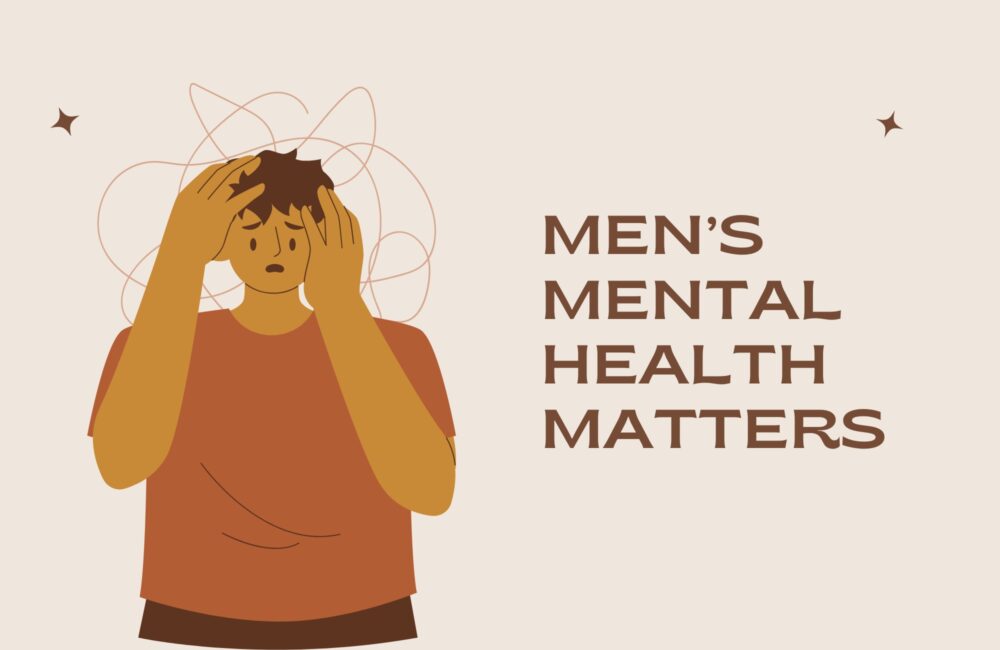

Men’s mental health is often discussed only after a crisis. A man may appear productive, calm, or dependable while privately struggling with depression, anxiety, trauma, substance use, loneliness, or suicidal thoughts. Some men ask for help early. Others delay because they fear judgment, do not recognize their symptoms, cannot afford care, or believe they should solve the problem alone.
Breaking stigma matters because silence can delay diagnosis, strain relationships, increase harmful coping, and reduce the chance of receiving effective treatment. However, awareness alone is not enough. Men also need confidential, affordable, culturally responsive services that fit around work and family responsibilities.
This article examines how masculinity, culture, employment, finances, discrimination, healthcare access, and social connection influence men’s mental health, with particular attention to India.
What Does Men’s Mental Health Include?
Men’s mental health is not one diagnosis. It includes emotional wellbeing and the prevention, recognition, and treatment of conditions such as:
- Depression
- Anxiety disorders
- Post-traumatic stress disorder
- Substance use disorders
- Eating disorders
- Obsessive-compulsive disorder
- Bipolar disorder
- Psychosis
- Work-related burnout
- Suicidal thoughts and behavior
Men are not a single group. Mental health experiences differ by age, income, occupation, caste, religion, disability, sexuality, gender identity, rural or urban location, family role, and exposure to violence or discrimination.
Understanding the broader foundations of wellbeing can help place these issues in context. Read What Is Mental Health?
Why Stigma Around Men’s Mental Health Develops
Stigma involves negative beliefs, shame, discrimination, or social punishment related to mental health problems. It can operate at several levels:
| Type of stigma | What it may look like |
|---|---|
| Public stigma | Calling a man weak, unstable, unreliable, or “not masculine” because he seeks help |
| Self-stigma | Believing that needing treatment means personal failure |
| Structural stigma | Policies, costs, shortages, or workplace practices that make care difficult to access |
| Courtesy stigma | Family members feeling shame or hiding a relative’s mental health condition |
Many boys learn that acceptable emotions include confidence, humor, anger, or competitiveness, while fear, sadness, helplessness, and vulnerability should be hidden. These expectations are not universal, and they do not affect every man in the same way. Still, research consistently links strong endorsement of rigid self-reliance and emotional control with less favorable attitudes toward professional help.
Healthy masculinity does not require emotional suppression. Responsibility, courage, discipline, loyalty, and protection can include recognizing distress, asking for support, and helping another man access care.
Why “Men Just Refuse Help” Is Too Simple
Some men hesitate because they fear appearing weak. But many practical barriers also delay care:
- Cost of therapy, medication, travel, or time away from work
- Shortage of trained professionals, especially outside major cities
- Lack of privacy in small communities or shared households
- Long waiting periods
- Uncertainty about where to begin
- Services that do not feel culturally appropriate
- Past negative experiences with healthcare
- Fear of workplace or family consequences
- Pressure to remain the financial provider
- Difficulty describing emotions in clinical language
Anti-stigma campaigns can help, but they should be paired with practical access: evening appointments, telehealth, primary-care screening, workplace confidentiality, community services, and affordable treatment.
Men’s Mental Health in India
India’s National Mental Health Survey found a substantial treatment gap for common and severe mental health conditions. Men may face additional pressure related to employment, debt, marriage, caregiving, migration, academic competition, and expectations to provide financially.
Suicide is a major public-health concern in India and globally. Men account for a large proportion of suicide deaths in many countries, including India. This difference cannot be explained by one factor. Possible contributors include:
- Use of more lethal methods
- Alcohol or drug use
- Economic and relationship crises
- Social isolation
- Untreated depression or other mental health conditions
- Reduced help-seeking
- Access to lethal means
- Previous suicide attempts
Suicide should never be reduced to “men do not talk.” The World Health Organization emphasizes that suicide is influenced by social, cultural, biological, psychological, and environmental factors across the life course.
How Mental Health Problems May Appear in Men
Men and women can experience the same diagnostic symptoms. There is no separate “male depression” diagnosis. However, some men express or manage distress in ways that are less likely to be recognized as mental health problems.
Emotional signs
- Persistent sadness, emptiness, or hopelessness
- Irritability, anger, or feeling constantly on edge
- Loss of pleasure or motivation
- Excessive guilt, shame, or feeling like a burden
- Worry, panic, or fear
- Emotional numbness
Behavioral signs
- Working excessively to avoid thoughts or feelings
- Withdrawing from friends and family
- Increasing alcohol, tobacco, or drug use
- Risky driving, gambling, fighting, or unsafe sexual behavior
- Sudden decline in work or academic performance
- Neglecting health, hygiene, or responsibilities
- Giving away possessions or saying goodbye unexpectedly
Physical and cognitive signs
- Sleep problems
- Fatigue or unexplained loss of energy
- Changes in appetite or weight
- Headaches, digestive problems, pain, or tension without a clear explanation
- Poor concentration and forgetfulness
- Restlessness or feeling slowed down
- Reduced sexual interest or performance concerns
These signs are not proof of a mental disorder. Medical conditions, medications, sleep disorders, chronic pain, thyroid problems, anemia, and other factors can cause similar symptoms. A proper assessment is important.
Depression in Men
Depression is not simply the final stage of stress or anxiety. It is a mental health condition with multiple biological, psychological, and social contributors.
A depressive episode usually involves depressed or irritable mood, or loss of interest and pleasure, most of the day for at least two weeks, along with other symptoms such as sleep change, fatigue, guilt, poor concentration, or thoughts of death.
Some men seek help for anger, insomnia, relationship conflict, alcohol use, or physical discomfort rather than describing sadness. Clinicians should ask about the full symptom pattern rather than assuming that irritability alone means depression.
For an overview of symptoms and treatment, see Depression: Definition, Symptoms and Causes.
Anxiety, Trauma, and Burnout
Anxiety can involve constant worry, panic attacks, avoidance, muscle tension, sleep disruption, and difficulty concentrating. Men may minimize anxiety by describing it as stress, pressure, or frustration.
Trauma can follow accidents, violence, abuse, military service, disasters, medical emergencies, or witnessing death. Symptoms may include nightmares, intrusive memories, emotional numbness, avoidance, irritability, or feeling constantly alert.
Burnout is specifically related to chronic workplace stress that has not been successfully managed. It is not a medical diagnosis and should not be used to explain every form of exhaustion or depression. Learn more in Burnout: Signs, Causes and Ways to Overcome It.
Substance Use as a Coping Strategy
Alcohol or drugs may provide short-term relief from anxiety, trauma memories, loneliness, or sleeplessness. Over time, they can worsen mood, judgment, relationships, finances, and suicide risk.
Substance use disorder is a treatable health condition, not a moral failure. Treatment may include medication, psychotherapy, peer support, harm-reduction services, and help with housing, employment, or trauma.
Read Substance Use Disorder: Causes, Signs and Treatment.
Loneliness and the Loss of Close Connection
A man may have coworkers, relatives, and social-media contacts but no relationship where he feels safe discussing fear, grief, failure, or uncertainty. This is emotional loneliness rather than simply being physically alone.
Major transitions can increase isolation:
- Leaving school or college
- Migration for work
- Marriage or becoming a parent
- Divorce or separation
- Unemployment or retirement
- Bereavement
- Chronic illness or disability
Social connection is not a substitute for treatment, but dependable relationships can encourage earlier help-seeking and support recovery. See Loneliness and Mental Health.
Men Who Face Additional Barriers
Some men experience multiple forms of stigma or exclusion. This may include:
- Gay, bisexual, transgender, and gender-diverse men
- Men with disabilities or chronic illness
- Men from marginalized caste, tribal, religious, or migrant communities
- Veterans, police, emergency workers, and healthcare workers
- Men in prisons or detention
- Unemployed men and men in insecure or dangerous work
- Survivors of sexual or domestic violence
- Older men who live alone or have lost a partner
Services should not assume that every man is heterosexual, married, financially secure, physically able, or comfortable with traditional masculine roles.
How to Start a Mental Health Conversation With a Man
Choose a private, calm setting. Conversations may feel easier while walking, driving, exercising, or doing a task together because direct eye contact is not required.
Use observations, not labels
Try:
- “You have seemed exhausted and withdrawn lately. How are you doing?”
- “I noticed you have stopped coming to cricket and are drinking more. I am concerned.”
- “You do not have to handle this alone. Can we look at some options together?”
Listen without immediately fixing
Avoid:
- “Man up.”
- “Other people have it worse.”
- “Just stay positive.”
- “You have everything. Why are you depressed?”
- “Do not embarrass the family.”
Ask directly about suicide when concerned
Ask clearly: “Are you thinking about suicide?” or “Have you been thinking that life is not worth living?” Asking directly does not plant the idea. It can create an opportunity for honest disclosure and urgent support.
If the answer is yes, ask whether he has a plan, access to means, or intends to act soon. Do not leave a person alone when there is immediate danger. Contact emergency or crisis services and reduce access to lethal means where this can be done safely.
When Professional Help Is Needed
Professional support is appropriate when symptoms:
- Last for two weeks or longer
- Interfere with work, study, parenting, sleep, or relationships
- Lead to increasing alcohol or drug use
- Include panic attacks, trauma symptoms, or severe anger
- Cause significant physical complaints without a clear explanation
- Include thoughts of self-harm, suicide, or harming someone else
A primary-care doctor can check for medical causes and provide a referral. Treatment may include psychotherapy, medication, lifestyle support, family involvement, or specialist care.
Our guide to signs it may be time to see a therapist can help someone decide on the next step.
What Effective Treatment Can Look Like
Effective treatment is individualized. Options may include:
- Cognitive behavioral therapy
- Interpersonal therapy
- Trauma-focused therapies
- Medication for depression, anxiety, bipolar disorder, psychosis, or other conditions
- Treatment for alcohol or drug use
- Couples or family therapy
- Peer-support groups
- Sleep, exercise, and medical care as supporting measures
Therapy does not require a person to speak in an abstract or highly emotional way from the first session. Some men prefer structured goals, practical exercises, symptom tracking, or problem-solving. A good clinician adapts the approach to the person rather than expecting the person to fit one style of therapy.
Learn about different options in Psychotherapy and Counselling: Key Differences and How to Begin.
How Workplaces Can Reduce Stigma
A single awareness workshop is not enough. Employers can:
- Protect confidentiality
- Train managers to respond to distress without diagnosing
- Provide clear referral pathways
- Offer flexible access to appointments
- Address bullying, overwork, job insecurity, and unsafe conditions
- Provide reasonable adjustments when appropriate
- Make employee assistance programs easy to access
- Include contract, shift, remote, and frontline workers
- Respond consistently to suicide risk and substance problems
A psychologically safe workplace allows employees to raise concerns without humiliation or retaliation. Related reading: Psychological Safety in the Workplace.
How Communities and Health Systems Can Help
- Integrate mental-health screening into primary care
- Offer telehealth and after-hours appointments
- Train community health workers
- Use plain, nonjudgmental language
- Provide services in regional languages
- Include mental-health support in schools, colleges, sports clubs, workplaces, and faith communities
- Reduce treatment costs and travel barriers
- Include men with lived experience in program design
- Improve follow-up after self-harm or a suicide attempt
For a wider systems perspective, see How to Build Stronger Mental Health Support Systems.
Immediate Help in India
If someone is in immediate danger, has attempted suicide, is severely intoxicated, has a weapon or other lethal means, or cannot stay safe, contact local emergency services or go to the nearest emergency department.
India’s Tele-MANAS program provides 24-hour tele-mental-health support. The official toll-free numbers are:
- 14416
- 1800-89-14416
Do not rely on a blog, friend, or online discussion when urgent professional assessment is needed.
Common Myths About Men’s Mental Health
Myth: Strong men handle problems alone
Healthy coping includes knowing when a problem requires medical, psychological, legal, financial, or social support.
Myth: Men are naturally less emotional
Men experience the full range of emotions. Culture may influence which emotions they feel safe expressing.
Myth: Anger is always depression in men
Irritability can occur in depression, but it can also reflect stress, trauma, substance use, sleep loss, pain, or another condition.
Myth: Therapy is only talking about childhood
Therapy may include practical goals, skills, behavior change, relationship work, trauma treatment, and symptom management.
Myth: Suicide happens without warning
Some crises develop rapidly, but many people show changes in mood, behavior, communication, substance use, or functioning. Every warning sign deserves attention.
Myth: Successful men cannot be mentally ill
Career success, income, fitness, marriage, or social status does not prevent mental health conditions.
Frequently Asked Questions
Why are some men reluctant to seek mental-health care?
Reasons may include stigma, self-reliance, cost, privacy concerns, service shortages, work demands, poor previous experiences, or not recognizing symptoms.
Are mental disorders more common in men?
It depends on the condition and how it is measured. Some conditions are diagnosed more often in women, while substance use disorders and completed suicide are more common among men in many settings.
Can depression in men look like anger?
Yes, depression may include irritability or anger, but these symptoms are not specific to depression and require proper assessment.
How can I persuade a man to see a therapist?
Share specific observations, listen without shaming, offer practical help finding options, and respect his choices unless there is an immediate safety risk.
Is exercise enough to treat depression?
Exercise can support mental health and may reduce symptoms for some people, but moderate or severe depression often needs professional assessment and treatment.
What should I say if a man mentions suicide?
Take it seriously, ask directly about immediate danger and a plan, stay with him when risk is urgent, reduce access to lethal means if safe, and contact emergency or crisis services.
Can workplaces legally ask about mental health?
Rules differ by country and job. Employers should focus on functioning, safety, and reasonable support while protecting confidentiality and following local law.
Does breaking stigma prevent every suicide?
No. Stigma reduction is important, but suicide prevention also requires accessible healthcare, follow-up, reduced access to lethal means, social protection, responsible media practices, and crisis response.
Key Takeaways
- Men’s mental health includes emotional wellbeing, mental disorders, substance use, suicide prevention, and access to care.
- Rigid expectations of self-reliance and emotional control can discourage help-seeking, but cost, privacy, service shortages, and work demands also matter.
- Mental distress may appear through sadness, anger, withdrawal, overwork, substance use, sleep change, physical complaints, or risk-taking.
- These signs are not unique to men and do not replace professional diagnosis.
- Suicide has multiple social, psychological, clinical, and environmental causes; stigma is only one part of the risk picture.
- Families should use direct, nonjudgmental language and ask clearly about suicide when concerned.
- Workplaces must improve confidentiality, workload conditions, manager training, and access to care—not rely only on awareness campaigns.
- Therapy can be structured, practical, and adapted to the individual.
- India’s Tele-MANAS service is available at 14416 or 1800-89-14416.
References
- National Institute of Mental Health: Men and Mental Health
- World Health Organization: Mental Health
- World Health Organization: Suicide
- WHO: Suicide Worldwide in 2021—Global Health Estimates
- Government of India: National Mental Health Programme and Tele-MANAS
- National Mental Health Survey of India 2015–16: Prevalence, Patterns and Outcomes
- Seidler ZE, et al. Masculinity and Men’s Mental Health Service Use
- Men’s Mental Health and Help-Seeking: Review of Barriers and Facilitators
- WHO Guidelines on Mental Health at Work
- WHO and ILO Mental Health at Work Policy Brief
This article is for education only. It does not replace medical assessment, psychotherapy, medication advice, crisis intervention, or emergency care.