Relationship

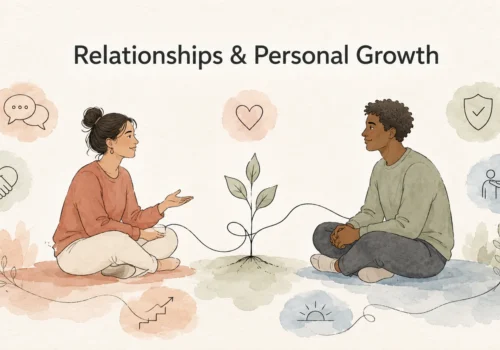
Relationship psychology explores how communication, trust, boundaries, attachment, conflict and social context shape our connections. This hub offers practical, evidence-informed guidance for romantic relationships, families, friendships and supportive caregiving without assuming that one model fits every person or culture.

Build healthier and safer relationships

• Start with the five components of a healthy relationship: communication, trust, respect, boundaries and consent.

• Use presence and active listening to build a more mindful relationship.

• Learn how to recognize and address trust issues in relationships without relying on quick fixes.

• Find compassionate ways to support a loved one experiencing depression while protecting your own wellbeing.

• Explore boundaries and safety when learning how to deal with narcissistic behavior.

Relationship difficulties can involve individual wellbeing, shared patterns and wider circumstances. When self-guided strategies are not enough, our therapy guides explain professional support, counselling approaches and what to expect. Browse the latest articles below to find clear answers and practical next steps.

If a relationship involves threats, coercion, violence or immediate danger, prioritize safety and contact a qualified local service or emergency provider.

6 Ways Social Media Can Impact Your Relationships Negatively

Social media and relationships are often intertwined in today's digital age. However, while social...

What Is a Polyamorous Relationship? 3 Big Myths, Rules, Types, & How It Works

Ethical non-monogamy, also known as consensual non-monogamy, is a popular relationship pattern these days....

How to Deal With a Narcissist: 8 Research-Informed Tips

Learn how to deal with narcissistic behavior using 8 research-informed strategies for boundaries, communication,...

9 Signs of a Narcissist: What the Evidence Really Says

What are the 9 signs of a narcissist? Learn the DSM-5-TR criteria for narcissistic...

5 Components of a Healthy Relationship

Learn the five components of a healthy relationship—communication, trust, respect, boundaries, and consent—and practical...