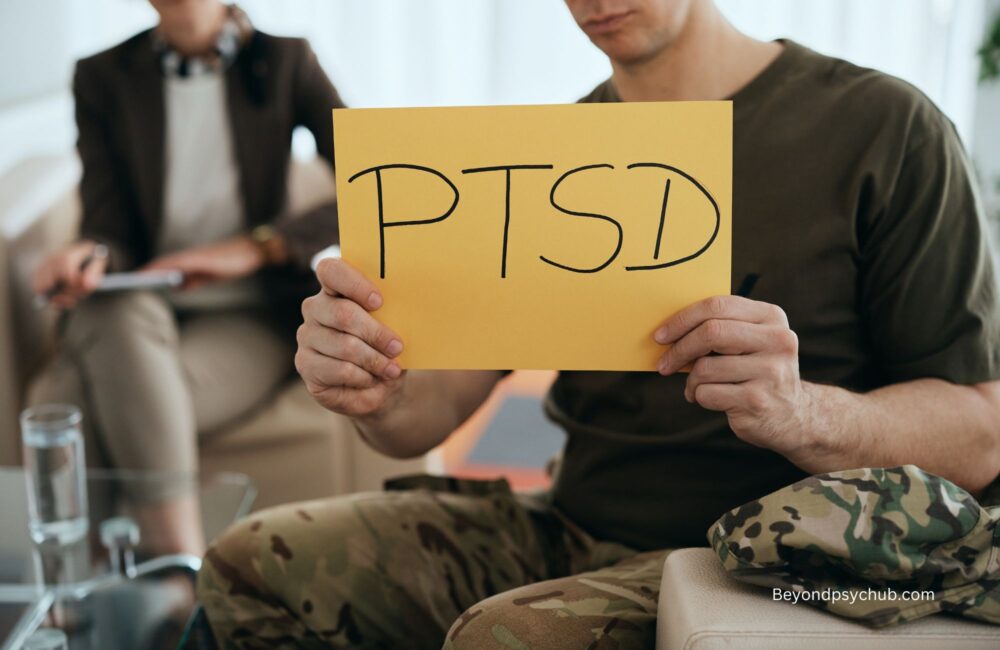

Post-traumatic stress disorder (PTSD) is a treatable mental health condition that can develop after experiencing or witnessing a traumatic event. Military service can involve combat, serious injury, training accidents, captivity, military sexual trauma, the death of comrades, and repeated exposure to danger. These experiences can increase risk, but they do not mean every service member or veteran will develop PTSD.
Most people experience some distress after trauma. They may feel anxious, angry, numb, alert to danger, or unable to sleep. For many, these reactions gradually improve. PTSD is considered when symptoms persist, cause significant distress, and interfere with work, relationships, health, or everyday functioning.
In the United States, the National Center for PTSD reports that about 7% of veterans experience PTSD at some point in their lives. Rates vary by sex, service history, type of trauma, deployment experience, and the population being studied. Veterans who use specialized healthcare services may have higher diagnosis rates than the wider veteran population.
PTSD is not a sign of weakness, poor discipline, or failure to adapt. It reflects the way the brain and body can respond after overwhelming danger. Evidence-based treatment can reduce symptoms and help veterans rebuild sleep, relationships, confidence, and a sense of direction.
What Is PTSD in Military Veterans?
PTSD can occur when the nervous system remains organized around danger even after the immediate threat has ended. Memories, sounds, places, news reports, smells, physical sensations, or anniversaries may trigger intense reactions that feel as if the trauma is happening again.
Military-related PTSD may follow one event or repeated exposures. Relevant experiences can include:
- Direct combat or exposure to explosions and gunfire
- Witnessing death, severe injury, or destruction
- Being injured, captured, tortured, or medically evacuated
- Handling human remains or participating in recovery operations
- Serious training accidents
- Military sexual trauma, including assault or sexual harassment
- Medical trauma during service
- Experiences involving moral conflict, betrayal, or perceived failure
A veteran does not need to have served in combat to develop PTSD. Trauma can occur during training, peacekeeping, humanitarian work, medical service, disaster response, or within military institutions.
For a general overview of the condition beyond military settings, read Post-Traumatic Stress Disorder: Symptoms, Causes and Treatment.
PTSD Symptoms: The Four Main Clusters
Clinicians assess PTSD symptoms across four broad groups. Symptoms usually last longer than one month and must cause meaningful distress or impairment. Only a trained professional can make a diagnosis.
1. Intrusion symptoms
Intrusion means the trauma enters awareness in an unwanted way.
- Distressing memories that feel difficult to control
- Nightmares related to the trauma
- Flashbacks or moments when the event feels present again
- Strong emotional distress after reminders
- Physical reactions such as sweating, shaking, nausea, or a racing heart
2. Avoidance
A veteran may avoid thoughts, feelings, conversations, people, places, media, or activities connected to the trauma. Avoidance can bring short-term relief, but over time it may shrink the person’s life and keep fear from being processed.
3. Negative changes in thoughts and mood
- Persistent guilt, shame, anger, fear, or emotional numbness
- Beliefs such as “I should have prevented it” or “no one can be trusted”
- Difficulty remembering parts of the event
- Loss of interest in meaningful activities
- Feeling detached from family, friends, or civilian life
- Difficulty experiencing positive emotions
4. Changes in arousal and reactivity
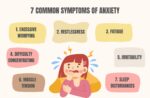
- Hypervigilance or constantly scanning for danger
- Being easily startled
- Irritability or angry outbursts
- Risky or self-destructive behavior
- Difficulty concentrating
- Problems falling or staying asleep
Symptoms may begin soon after the trauma or appear later. They may also become more noticeable during retirement, illness, bereavement, anniversaries, media coverage of war, or other life transitions.
Normal Stress Reactions, Acute Stress and PTSD
Distress immediately after trauma does not automatically mean PTSD. Early reactions may include fear, disbelief, sleep disruption, intrusive memories, emotional numbness, or increased alertness.
Acute stress disorder may be diagnosed when trauma symptoms occur from three days to one month after the event. PTSD is considered when characteristic symptoms continue beyond one month and interfere with functioning.
Veterans should not wait for symptoms to become severe before seeking help. Early support can address sleep, safety, substance use, family strain, and emerging trauma symptoms.
Why Some Veterans Develop PTSD
There is no single cause. Risk reflects the interaction of the traumatic event, previous experiences, biology, social support, and life circumstances after service.
Intensity and repetition of trauma
Close exposure to death, severe injury, prolonged danger, repeated deployments, captivity, and sexual violence can increase risk. The meaning of the event also matters; two people may experience the same incident differently.
Previous trauma or mental health difficulties
Childhood adversity, earlier assault, depression, anxiety, or previous PTSD may increase vulnerability. These factors do not make PTSD inevitable.
Military sexual trauma
Military sexual trauma refers to sexual assault or threatening sexual harassment during military service. It can affect people of any sex, gender, rank, or service background. Survivors may also face betrayal, fear of retaliation, career consequences, or lack of support, which can deepen distress.
Limited support and difficult reintegration
Isolation, unemployment, unstable housing, chronic pain, family conflict, financial strain, and difficulty adjusting to civilian life can maintain symptoms. Strong social support after trauma is associated with better recovery.
Traumatic brain injury
Blast exposure, falls, vehicle crashes, and other injuries may cause traumatic brain injury (TBI). PTSD and TBI can occur together, and their symptoms may overlap, including headaches, sleep problems, irritability, memory difficulties, and poor concentration.
A history of TBI does not prevent effective PTSD treatment, but assessment may need to account for cognitive fatigue and other neurological symptoms. Read more in Exploring Mental Health Support for Traumatic Brain Injury Survivors.
Moral Injury and PTSD
Moral injury describes lasting distress after participating in, witnessing, failing to prevent, or being betrayed during events that violate deeply held moral beliefs. A veteran may struggle with guilt, shame, anger, grief, or loss of faith and identity.
Moral injury is not itself a formal mental health diagnosis. It can occur with PTSD, depression, substance use disorder, or without a diagnosable condition. PTSD often centers on threat and fear, while moral injury may be dominated by guilt, betrayal, or self-condemnation. In practice, these experiences can overlap.
Effective care may include trauma-focused therapy, careful work with guilt and responsibility, self-compassion, community reconnection, and spiritual support when desired. Treatment should never assume that every combat veteran has moral injury or that faith-based care is appropriate for everyone.
Co-Occurring Conditions
PTSD rarely exists in isolation. Veterans may also experience:
- Depression or other anxiety disorders
- Alcohol or drug problems
- Suicidal thoughts or self-harm risk
- Traumatic brain injury
- Chronic pain
- Insomnia, nightmares, or sleep apnea
- Relationship and sexual difficulties
- Cardiovascular or metabolic health problems
Alcohol or drugs may temporarily numb distress but often worsen sleep, mood, impulsivity, relationships, and treatment engagement. PTSD and substance use disorder can be treated together rather than requiring a veteran to become completely abstinent before trauma care begins.
For further analysis, see Addiction and PTSD: Understanding the Connection and the link between military service and substance use disorders.
How PTSD Is Diagnosed
Diagnosis usually involves a clinical interview with a qualified mental health professional. The assessment should cover:
- The traumatic event and symptom timeline
- Intrusion, avoidance, mood, and arousal symptoms
- Effects on work, relationships, sleep, and daily functioning
- Depression, anxiety, suicide risk, and substance use
- Possible TBI, chronic pain, or other medical problems
- Medicines and physical-health conditions
- Personal goals, preferences, culture, and support system
Clinicians may use validated questionnaires, but a screening score alone does not establish a diagnosis. Symptoms can overlap with depression, panic disorder, TBI, grief, psychosis, sleep disorders, and substance-related conditions.
First-Line PTSD Treatments for Veterans
The 2023 VA/DoD clinical guideline recommends individual trauma-focused psychotherapy over medication when it is available and acceptable to the patient. The three treatments with the strongest evidence are Cognitive Processing Therapy, Prolonged Exposure, and Eye Movement Desensitization and Reprocessing.
Cognitive Processing Therapy (CPT)
CPT helps veterans examine how trauma affected beliefs about safety, trust, power, control, self-esteem, and intimacy. It focuses on beliefs that may keep guilt, shame, fear, or anger active.
For example, a veteran may believe, “I should have been able to save everyone.” CPT does not dismiss the loss. It helps examine responsibility, context, hindsight, and the standards being applied to the self.
Prolonged Exposure (PE)
PE helps reduce avoidance by gradually approaching safe memories, situations, and activities that have become linked with danger. Therapy may include repeatedly discussing the trauma and completing planned real-world exercises.
Exposure is structured and collaborative. It is not forced disclosure or uncontrolled confrontation. The pace should be explained and agreed upon.
Eye Movement Desensitization and Reprocessing (EMDR)
EMDR involves recalling aspects of the trauma while engaging in guided bilateral stimulation, often eye movements. The goal is to help the memory become less emotionally overwhelming and more integrated.
The eye movements are one component of a structured trauma therapy delivered by a trained clinician. EMDR should not be reduced to a brief online exercise.
Other supported psychotherapies
When CPT, PE, or EMDR is unavailable or not preferred, options may include Written Exposure Therapy, cognitive therapy for PTSD, or Present-Centered Therapy. Group therapy and peer support can reduce isolation, but they should not automatically replace individual trauma-focused treatment.
Medication Options
Medication may be helpful when trauma-focused therapy is unavailable, not preferred, only partly effective, or when depression and anxiety are also present.
The strongest medication evidence in current VA/DoD guidance supports:
- Sertraline
- Paroxetine
- Venlafaxine
Sertraline and paroxetine are approved by the U.S. FDA for PTSD. Medication choice depends on other health conditions, side effects, previous response, and personal preference.
Prazosin may be considered specifically for PTSD-related nightmares, but evidence does not support it as a general treatment for all PTSD symptoms.
Benzodiazepines are not recommended for PTSD treatment because they have not shown meaningful benefit and can contribute to dependence, cognitive impairment, falls, and difficulty engaging in trauma-focused therapy. Current guidance also recommends against cannabis or cannabis-derived products as PTSD treatment because evidence of benefit is insufficient and harms are possible.
Veterans should not start, stop, or change psychiatric medicine without guidance from a qualified prescriber.
Supportive Care That Complements Treatment
Supportive strategies can improve health and make treatment easier, but they should not be presented as replacements for evidence-based PTSD care.
- Sleep treatment: Cognitive behavioral therapy for insomnia may help persistent sleep problems.
- Physical activity: Regular movement may support mood, sleep, and physical health.
- Mindfulness and breathing skills: These may reduce immediate stress for some veterans, but trauma-focused therapy remains the first-line treatment.
- Relationship or family support: Education can help loved ones understand avoidance, irritability, and emotional numbing.
- Employment and education support: Meaningful roles can strengthen identity and community connection.
- Pain and TBI care: Coordinated treatment can prevent one condition from undermining another.
Acupuncture, yoga, service dogs, outdoor programs, and other complementary approaches may feel helpful to some veterans, but evidence varies. They should be used as additions—not substitutes—when first-line treatment is indicated.
What Recovery Can Look Like
Recovery does not require forgetting the event. It may mean that memories become less controlling, sleep improves, relationships feel safer, and the veteran can participate more fully in daily life.
Progress is not always linear. Symptoms can increase during anniversaries, major losses, retirement, physical illness, or new conflicts. A symptom increase does not erase previous improvement. It may signal that treatment, medication, sleep care, or social support needs review.
Shared decision-making is important. Veterans should receive clear explanations of benefits, risks, time commitment, and alternatives so they can choose care that fits their values and goals.
How Families and Friends Can Help
- Listen without pressuring the veteran to describe traumatic events.
- Learn about PTSD and treatment.
- Ask what support is useful rather than making assumptions.
- Encourage professional care without shaming or issuing threats.
- Respect the veteran’s autonomy while taking safety concerns seriously.
- Set boundaries around violence, unsafe driving, substance use, or harm in the home.
- Support routines involving sleep, meals, appointments, movement, and connection.
- Seek support for caregiver stress and relationship strain.
For more practical guidance, read How to Help Someone With PTSD.
When Urgent Help Is Needed
Seek emergency help if a veteran has suicidal intent, threatens serious harm, cannot care for basic needs, becomes severely intoxicated, experiences a dangerous medication reaction, or is unable to remain safe.
In the United States, veterans and concerned family members can call 988 and press 1 or text 838255 to reach the Veterans Crisis Line. In other countries, contact local emergency services, a national crisis line, or the nearest military, veteran, or public mental health service.
Common Myths About PTSD in Veterans
Myth: Every combat veteran develops PTSD
Most trauma-exposed people do not develop PTSD. Risk varies according to the event, personal history, support, and post-service circumstances.
Myth: PTSD means a veteran is violent
PTSD does not automatically make someone dangerous. Risk assessment should focus on actual behavior, substance use, suicidal thinking, and access to weapons—not diagnosis alone.
Myth: Talking about trauma always makes PTSD worse
Unstructured pressure can be harmful, but evidence-based trauma-focused therapies are carefully planned and can significantly reduce symptoms.
Myth: Medication is the only effective treatment
Trauma-focused psychotherapies are generally recommended over medication as first-line treatment when available and acceptable.
Myth: Veterans must handle PTSD alone
Seeking treatment is a health decision, not a sign of weakness. Recovery often improves with professional care, family education, and peer support.
Frequently Asked Questions
How common is PTSD among veterans?
Estimates vary by country, conflict, sex, trauma exposure, and study method. U.S. data suggest about 7% of veterans experience PTSD at some point in life, with higher rates in some groups and clinical populations.
Can PTSD appear years after military service?
Yes. Symptoms may be delayed or become more noticeable during retirement, bereavement, illness, anniversaries, or reduced daily structure.
What is the best treatment for veterans with PTSD?
CPT, PE, and EMDR have the strongest evidence. The best option depends on availability, preferences, co-occurring conditions, and treatment goals.
Can PTSD and substance use disorder be treated together?
Yes. Integrated treatment is often preferable because delaying trauma care until complete abstinence may leave important symptoms untreated.
Is moral injury the same as PTSD?
No. Moral injury describes distress related to violated values, guilt, shame, or betrayal. It can occur with or without PTSD.
Do service dogs cure PTSD?
No. A trained service dog may help some veterans with daily functioning or a sense of safety, but it does not replace trauma-focused psychotherapy or medical care.
How long does PTSD treatment take?
Many structured therapies are delivered over several weeks or months. Duration varies according to the treatment, symptom severity, missed sessions, co-occurring conditions, and personal needs.
References
- VA National Center for PTSD: How Common Is PTSD in Veterans?
- VA National Center for PTSD: Overview of Psychotherapy for PTSD
- VA National Center for PTSD: Clinician’s Guide to Medications
- VA/DoD Clinical Practice Guideline for PTSD and Acute Stress Disorder
- National Institute of Mental Health: Post-Traumatic Stress Disorder
- World Health Organization: Post-Traumatic Stress Disorder
- VA National Center for PTSD: Traumatic Brain Injury and PTSD
- VA National Center for PTSD: Moral Injury
- VA PTSD Treatment Decision Aid
Key Takeaways
- Military service can involve many forms of trauma, but not every veteran develops PTSD.
- PTSD symptoms include intrusion, avoidance, negative changes in thoughts and mood, and heightened arousal.
- Moral injury, TBI, depression, substance use, chronic pain, and sleep problems may complicate recovery.
- CPT, PE, and EMDR are the most strongly recommended PTSD psychotherapies.
- Sertraline, paroxetine, and venlafaxine have the strongest medication evidence.
- Benzodiazepines and cannabis are not recommended as PTSD treatments.
- Supportive practices can complement treatment but should not replace first-line care.
- Recovery is possible, and seeking help is a sign of informed self-protection—not weakness.
This article is for education only and does not replace assessment, diagnosis, or treatment from a qualified mental health professional.