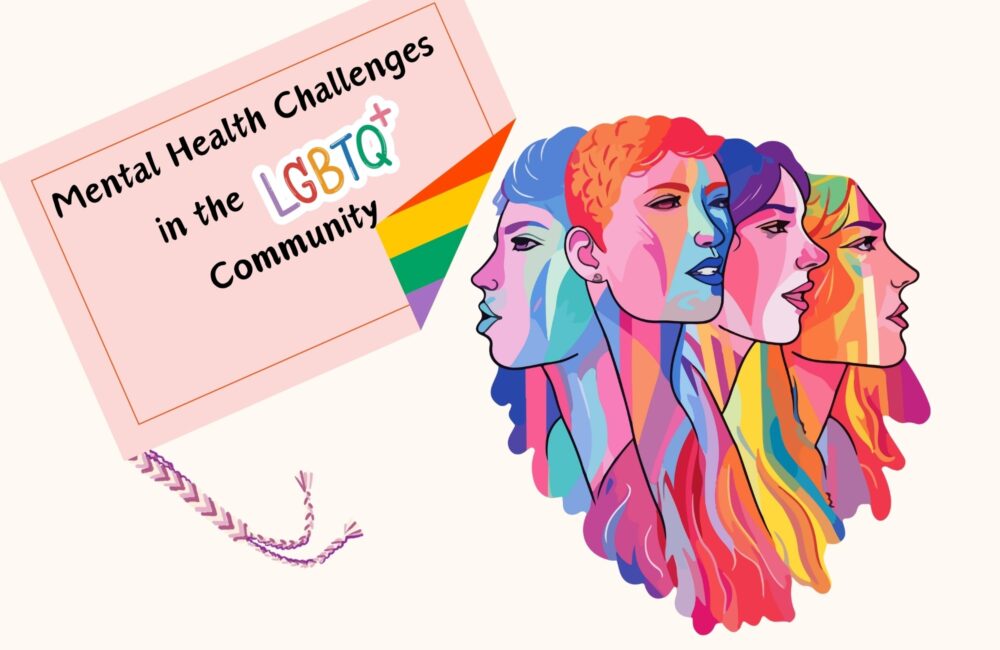

LGBTQ+ mental health is shaped less by identity itself than by the environments in which people live. Being lesbian, gay, bisexual, transgender, queer, intersex, asexual, or another sexual or gender minority is not a mental illness. However, discrimination, rejection, bullying, violence, concealment pressure, unsafe housing, healthcare bias, and legal or economic exclusion can create chronic stress that harms mental wellbeing.
This does not mean every LGBTQ+ person will develop a mental health condition. Many live healthy, fulfilling lives and show strong resilience. Supportive families, affirming healthcare, safe schools, inclusive workplaces, community connection, and legal protection can reduce risk and improve wellbeing.
This article explains why mental-health disparities occur, which challenges may be more common, how identity-affirming care works, what families and institutions can do, and when urgent support is needed.
What Does LGBTQ+ Mean?
LGBTQ+ is an umbrella term that includes diverse sexual orientations, gender identities, and sex characteristics. These are related but distinct concepts.
| Term | Meaning |
|---|---|
| Sexual orientation | Patterns of emotional, romantic, or sexual attraction |
| Gender identity | A person’s internal sense of being a woman, man, both, neither, or another gender |
| Gender expression | How a person presents gender through clothing, voice, behaviour, or appearance |
| Sex characteristics | Physical traits such as chromosomes, hormones, reproductive anatomy, and secondary sex characteristics |
Not everyone uses the same labels, and language changes across cultures and generations. The safest approach is to ask respectfully how a person describes themselves and which name and pronouns they use.
LGBTQ+ Identity Is Not a Mental Disorder
Sexual orientation and gender diversity are not illnesses that require correction. Mental-health professionals should not assume that every problem is caused by identity. An LGBTQ+ person may seek care for depression, panic, trauma, grief, relationship conflict, substance use, work stress, or another issue that is not directly related to sexuality or gender.
At the same time, identity-related stress may be clinically important. Good care asks about discrimination, family reactions, safety, housing, healthcare experiences, and whether the person is under pressure to hide or change who they are.
Why Mental-Health Disparities Occur
The minority-stress model helps explain why some LGBTQ+ populations experience higher levels of depression, anxiety, substance-use problems, trauma symptoms, and suicidal distress. The model does not blame identity. It focuses on the extra stress created by stigma and unequal treatment.
External stressors
- Bullying, harassment, or physical violence
- Family rejection or threats of expulsion
- Workplace or school discrimination
- Housing or financial insecurity
- Misgendering, deadnaming, or public humiliation
- Healthcare denial or disrespect
- Legal uncertainty or lack of relationship recognition
Internal stress processes
- Fear of rejection
- Constantly scanning for danger
- Pressure to conceal identity
- Internalized shame
- Expecting discrimination based on past experiences
- Feeling divided between family, faith, culture, and identity
These stressors can accumulate. A person may be dealing simultaneously with homophobia, transphobia, sexism, caste discrimination, racism, disability, poverty, migration stress, or religious exclusion. This is called intersectionality: different social identities and disadvantages can interact rather than operate separately.
India-Specific Context
In 2018, the Supreme Court of India decriminalized consensual same-sex sexual activity between adults by reading down Section 377. This was an important constitutional change, but decriminalization did not remove social stigma or guarantee equal treatment in family law, housing, education, work, or healthcare.
Transgender people have legal recognition under Indian law, yet many continue to report barriers involving identity documents, employment, housing, healthcare, safety, and social acceptance. Legal rights and real-world access are not always the same.
India is culturally diverse. Family and religious responses vary widely. Broad claims that all Indian families or faith communities reject LGBTQ+ people are inaccurate. Some families become strong sources of support, while others respond with denial, pressure, surveillance, forced marriage, violence, or attempts to change identity.
Common Mental-Health Challenges
Depression
Depression may involve persistent low mood, loss of interest, fatigue, guilt, hopelessness, sleep or appetite changes, reduced concentration, and suicidal thoughts. Rejection, isolation, violence, concealment, and loss of community can increase risk, but depression is never explained by identity alone.
Read more in Depression: Symptoms, Causes, Diagnosis and Treatment.
Anxiety
Anxiety may develop around coming out, being recognized in public, using bathrooms, entering healthcare settings, workplace disclosure, family discovery, or fear of violence. Some people become highly alert to rejection even in neutral situations because previous experiences have taught them that danger is possible.
Trauma and PTSD
Assault, bullying, forced disclosure, homelessness, conversion practices, medical mistreatment, or family violence can lead to trauma symptoms. These may include nightmares, avoidance, emotional numbing, hypervigilance, shame, and intrusive memories.
Repeated discrimination may cause significant distress even when it does not meet formal PTSD criteria. Clinicians should take these experiences seriously without automatically assigning a trauma diagnosis. Related reading: PTSD: Symptoms, Causes and Treatment.
Substance-use problems
Alcohol or drugs may be used to manage anxiety, rejection, loneliness, nightlife pressure, trauma, or gender dysphoria. Substance use can then worsen sleep, mood, impulsivity, financial stress, and suicide risk.
Use non-stigmatizing language such as substance use disorder rather than “substance abuse.” Learn more in Substance Use Disorder: Causes, Signs and Treatment.
Eating and body-image concerns
Body dissatisfaction may be influenced by community beauty standards, gender dysphoria, pressure to appear masculine or feminine, weight stigma, or social-media comparison. Gay and bisexual men, transgender people, and others may face distinct risks, but no group should be stereotyped.
Self-harm and suicidal distress
LGBTQ+ young people and transgender people report elevated levels of suicidal thoughts and attempts in many studies. These disparities are strongly associated with rejection, bullying, violence, discrimination, and lack of affirming support—not with identity itself.
Statistics should be interpreted carefully. Survey findings vary by age, location, sampling method, identity group, and whether the sample is nationally representative. They describe population risk and should not be used to predict what one individual will do.
Gender Dysphoria and Mental Health
Being transgender or gender-diverse is not itself a mental disorder. Gender dysphoria refers to clinically significant distress that may arise from incongruence between a person’s gender identity and assigned sex, unwanted physical characteristics, social misrecognition, or barriers to living in an affirmed gender.
Not every transgender person experiences dysphoria, and distress may change over time. Support may include social affirmation, psychotherapy, medical care, peer support, or practical help depending on the person’s needs and local availability.
Therapy should not pressure someone toward or away from transition. Its role is to support informed decision-making, emotional wellbeing, safety, relationships, and treatment of coexisting concerns.
Conversion Practices Are Unsafe and Unethical
Conversion practices attempt to change or suppress a person’s sexual orientation, gender identity, or gender expression. They may involve counselling, religious pressure, isolation, threats, medication, humiliation, or forced behavioural methods.
These practices are not supported by credible evidence and are associated with shame, depression, anxiety, trauma, family rupture, and suicidal distress. Ethical mental-health care does not promise to “cure” homosexuality, bisexuality, or transgender identity.
Exploring uncertainty is different from conversion. A person may need space to understand identity, relationships, values, faith, or future choices. Affirming care allows exploration without directing the person toward a predetermined identity.
What Is LGBTQ+-Affirming Mental Healthcare?
Affirming care does not mean agreeing with every decision or assuming all distress is identity-related. It means providing competent, respectful care without trying to change identity.
An affirming professional should:
- Use the person’s stated name and pronouns
- Keep sexual orientation and gender identity confidential
- Avoid assumptions about partners, bodies, sex, or family roles
- Understand minority stress and intersectionality
- Assess depression, anxiety, trauma, substances, and suicide risk normally
- Discuss family, cultural, and faith concerns without judgment
- Know when specialist gender-related care is appropriate
- Support informed consent and shared decision-making
Learn how to compare mental-health professionals in Psychotherapy and Counselling: Similarities and Differences.
Questions to Ask a Therapist
- What experience do you have working with LGBTQ+ clients?
- How do you protect confidentiality?
- Do you provide affirming care?
- How do you approach religious or family conflict?
- Do you have experience with trauma, substance use, or gender dysphoria?
- What happens if I feel unsafe or suicidal?
- Will you involve my family only with my consent, unless there is an immediate safety or legal concern?
A therapist does not need to share the client’s identity, but they should demonstrate competence, respect, openness, and willingness to correct mistakes.
Confidentiality and Coming Out
Coming out is a personal decision, not a treatment goal. Disclosure may be empowering in a safe environment, but it can also risk violence, homelessness, financial loss, forced marriage, or loss of education.
Before disclosure, consider:
- Physical safety
- Housing and financial dependence
- School or workplace consequences
- Access to documents, money, medication, and transport
- Supportive people who can help
- An emergency place to stay
Healthcare professionals should not disclose a person’s identity to family, employers, or institutions without permission unless a specific legal or immediate safety exception applies.
Protective Factors That Support Mental Health
- Family acceptance
- At least one supportive adult
- Safe and inclusive schools
- Affirming peer groups
- Accurate information
- Access to competent healthcare
- Stable housing and employment
- Freedom from violence
- Community belonging
- Positive LGBTQ+ role models
Support does not require perfect understanding. A family member can say, “I am still learning, but I love you, and I want you to be safe.”
Practical Self-Support Strategies
Self-care cannot remove discrimination, and responsibility should not be placed solely on the person experiencing harm. Still, small protective actions may help.
- Identify at least one safe person
- Limit exposure to hostile online spaces
- Curate social media rather than avoiding all news
- Join moderated peer or community groups
- Maintain regular sleep and meals
- Use movement or exercise in realistic amounts
- Create a safety plan before difficult family conversations
- Seek professional help for persistent symptoms
- Keep emergency contacts available
Healthy routines may support wellbeing, but they do not guarantee prevention of depression or anxiety. Self-care should complement—not replace—professional treatment and social change. See Why Self-Care Matters.
How Families Can Help
- Listen without interrogation
- Use the person’s name and pronouns
- Do not threaten, shame, monitor, or force disclosure
- Do not pressure them into conversion practices or unwanted marriage
- Protect them from bullying and violence
- Support access to affirming healthcare
- Allow time for privacy and identity exploration
- Learn from credible sources rather than misinformation
- Take suicidal statements seriously
Family acceptance does not require knowing every term immediately. Respectful behaviour can begin while learning continues.
What Schools and Workplaces Can Do
Schools
- Enforce anti-bullying rules consistently
- Provide confidential counselling
- Train staff in inclusive language and safeguarding
- Respect names and pronouns
- Create safe reporting procedures
- Avoid outing students to families without assessing safety and legal duties
Workplaces
- Prohibit harassment and retaliation
- Provide confidential complaint systems
- Use inclusive benefits and leave policies
- Respect privacy during background checks and records changes
- Train managers without forcing employees to disclose identity
- Support mental-health care without assuming poor performance
When to Seek Professional Help
Consider professional support when distress:
- Persists for two weeks or longer
- Interferes with sleep, eating, work, study, or relationships
- Leads to substance use or self-harm
- Follows violence, forced disclosure, or family rejection
- Includes panic, severe dysphoria, trauma symptoms, or hopelessness
- Makes it difficult to stay safe
Related guidance: Signs It May Be Time to See a Therapist.
Suicide and Immediate Safety
Statements such as “I do not want to be here,” “my family would be better without me,” or “there is no safe future for me” require direct attention.
If danger may be immediate:
- Stay with the person if it is safe.
- Ask directly about suicidal thoughts, plans, intent, and access to lethal means.
- Reduce access to medicines, weapons, or other lethal means when this can be done safely.
- Contact local emergency services or go to the nearest emergency department.
- Do not threaten to expose the person’s identity as a condition of helping.
In India, Tele-MANAS can be reached at 14416 or 1800-89-14416. It does not replace emergency services when danger is immediate.
Common Myths
Myth: LGBTQ+ identity causes mental illness
Identity itself is not a disorder. Stigma, rejection, violence, concealment, and unequal access to care contribute to risk.
Myth: Everyone should come out
Disclosure is a personal decision. Safety, housing, finances, culture, and family dependence must be considered.
Myth: Affirming therapy pushes someone toward an identity
Ethical affirming care supports exploration without directing the outcome.
Myth: Conversion practices are legitimate therapy
They lack credible evidence and can cause serious harm.
Myth: Using a chosen name or pronouns is medically harmful
Respectful communication supports trust and reduces distress. It does not prevent careful clinical assessment.
Myth: Resilience means discrimination has no effect
A person can be resilient and still need support, safety, treatment, and structural change.
Frequently Asked Questions
Is being LGBTQ+ a mental illness?
No. Sexual and gender diversity are not mental disorders.
Why are some mental-health problems more common?
Higher risk is linked mainly to minority stress, including rejection, bullying, violence, concealment, and barriers to care.
What is LGBTQ+-affirming therapy?
It is respectful, evidence-based care that does not attempt to change identity and understands the effects of stigma and discrimination.
Should a therapist tell family members about someone’s identity?
Generally, no. Confidentiality should be maintained unless the person consents or a specific legal or immediate safety exception applies.
Can religion and LGBTQ+ identity coexist?
Yes. Experiences vary. Therapy can help someone explore faith and identity without assuming that either must be abandoned.
How can parents support an LGBTQ+ child?
Listen, protect safety, use the child’s name and pronouns, avoid conversion pressure, and connect them with affirming care.
Is gender dysphoria the same as being transgender?
No. Gender dysphoria refers to significant distress. Not every transgender person experiences it.
When is the situation an emergency?
Immediate suicide risk, severe self-harm, violence, homelessness with danger, psychosis, or inability to meet basic needs requires urgent help.
Conclusion
LGBTQ+ people do not experience poorer mental health because their identities are defective. Disparities arise largely from stigma, rejection, violence, concealment pressure, discrimination, and unequal access to safe care.
Affirming healthcare, family acceptance, confidentiality, inclusive schools and workplaces, community belonging, and legal protection can reduce harm. Support should protect safety and dignity without pressuring a person to disclose, transition, remain hidden, or adopt a particular identity.
Key Takeaways
- LGBTQ+ identity is not a mental illness.
- Minority stress helps explain higher rates of depression, anxiety, trauma, substance use, and suicidal distress.
- Sexual orientation, gender identity, gender expression, and sex characteristics are distinct concepts.
- Not every LGBTQ+ person has mental-health problems, and resilience is common.
- Conversion practices lack credible evidence and can cause harm.
- Coming out should never be forced; safety and dependence must be considered.
- Affirming care respects identity while assessing mental health normally.
- Family acceptance, safe schools, inclusive workplaces, and community support are protective.
- Confidentiality is essential, particularly for young people and financially dependent adults.
- Suicidal distress, violence, homelessness with danger, or severe self-harm requires urgent support.
References
- World Health Organization: Gender and Health
- WHO: Gender Incongruence and Transgender Health in ICD-11
- CDC: Health Disparities Among LGBTQ Youth
- CDC: Safe and Supportive School Environments
- SAMHSA: LGBTQI+ Behavioral Health Equity
- American Psychiatric Association: Working With LGBTQ Patients
- American Psychiatric Association: Position on Conversion Therapy
- Supreme Court of India: Navtej Singh Johar v. Union of India
- Government of India: Transgender Persons (Protection of Rights) Act, 2019
- Government of India: National Mental Health Programme and Tele-MANAS
This article is for education only. It does not replace mental-health assessment, emergency care, legal advice, or individualized medical treatment.