
Evidence reviewed: 15 August 2026
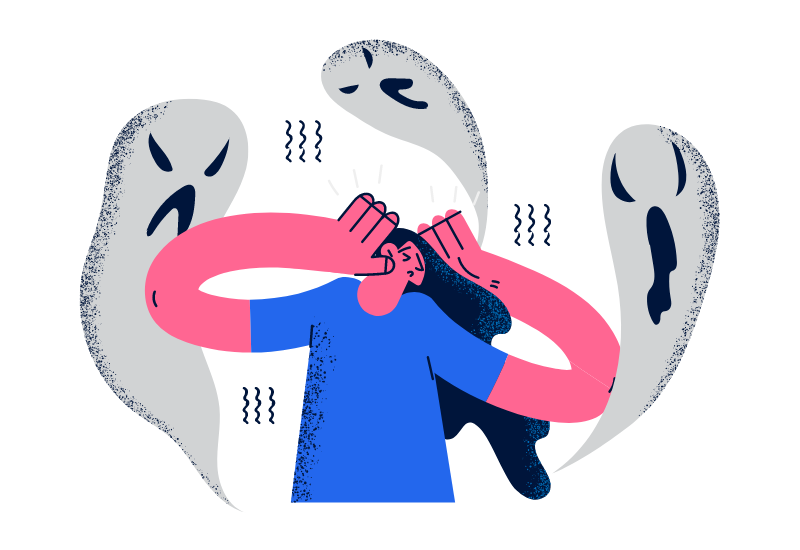
A phobia is an intense, persistent fear of a specific object or situation that leads to avoidance, severe distress, or meaningful limits in daily life. It is more than disliking something or feeling briefly nervous. A person may know the danger is lower than the fear suggests and still experience a powerful physical alarm response.
Quick answer: Specific phobias commonly involve animals, natural environments, blood or injections, particular situations, or other defined triggers. The best-supported treatment is collaborative, exposure-based cognitive behavioral therapy (CBT). Medication is not usually the main treatment for an isolated specific phobia, although it may be appropriate for a different or co-occurring anxiety disorder.
Phobias are treatable, but the diagnosis matters. Specific phobia, social anxiety disorder, and agoraphobia are separate conditions, even though all involve fear and avoidance. Forcing someone into a feared situation or attempting unsafe exposure without guidance can increase distress and damage trust.
What Is a Phobia?
In clinical practice, specific phobia means marked fear or anxiety about a particular object or situation, such as dogs, heights, flying, needles, blood, storms, or enclosed spaces. Clinicians generally look for a pattern in which:
- The object or situation almost always causes immediate fear or anxiety.
- It is actively avoided or endured with intense distress.
- The fear is out of proportion to the actual danger and cultural context.
- The pattern is persistent, commonly for about six months or longer.
- It causes significant distress or interferes with healthcare, work, school, relationships, travel, or other activities.
- Another mental health or medical condition does not better explain the symptoms.
Children may express the same pattern through crying, freezing, clinging, tantrums, or refusal rather than explaining that their fear feels excessive. A label is not based only on how unusual the trigger sounds; persistence and impairment are central.
How Common Are Phobias?
The latest global figures are available for anxiety disorders as a group, not for specific phobia alone. The World Health Organization’s September 2025 fact sheet estimates that anxiety disorders affected 359 million people, or 4.4% of the global population, in 2021. Specific phobias are one of several disorders included in that total. WHO also estimates that only 27.6% of people who need care for an anxiety disorder receive treatment.
For specific phobia, the National Institute of Mental Health reports U.S. estimates of 9.1% in a year and 12.5% over a lifetime. Among adults with a past-year specific phobia, 21.9% had serious impairment. These estimates come from diagnostic interviews conducted in 2001–2003, so they are established survey findings, not a 2026 head count.
A World Mental Health Surveys analysis of 124,902 people in 22 countries found a 7.4% lifetime prevalence and 5.5% 12-month prevalence. The median reported age of onset was 8 years; among people with a past-year phobia, 18.7% reported severe role impairment and 23.1% reported receiving any treatment. Those surveys were conducted from 2001 to 2011, and rates varied by country, income group, sex, and measurement method.
Normal Fear Versus a Specific Phobia
| Normal or protective fear | Possible specific phobia |
|---|---|
| Matches a realistic threat | Is much stronger than the actual risk |
| Usually reduces when danger passes | Returns reliably around the trigger or its anticipation |
| Does not greatly restrict life | Leads to avoidance, distress, or major disruption |
| Can usually be managed with ordinary caution | May cause panic-level physical symptoms |
| Example: caution around an unfamiliar aggressive dog | Example: avoiding all parks, streets, or visits because a dog might be present |
Fear can be reasonable even when it is intense. Someone with a severe allergy, a history of violence, or a genuinely dangerous work exposure may be responding to real risk. Assessment must consider the situation rather than assuming every strong fear is irrational.
Types of Specific Phobia
Clinical descriptions commonly group specific phobias into five categories.
Animal type
Examples include dogs, snakes, spiders, insects, or birds. Ophidiophobia refers to fear of snakes, while arachnophobia refers to fear of spiders.
Natural environment type
Examples include heights, storms, deep water, darkness, or other natural settings.
Blood-injection-injury type
This may involve blood, needles, injections, injury, dental procedures, or invasive medical care. Unlike many other phobias, some people have a vasovagal response—a drop in heart rate and blood pressure that may cause fainting. A 2026 perioperative review highlights CBT and applied tension—briefly tensing large muscle groups—as management options when clinically appropriate.
Situational type
Examples include flying, elevators, tunnels, bridges, driving, enclosed spaces, or public transport.
Other type
This category may include fear of choking, vomiting, loud sounds, costumed characters, or other triggers that do not fit the groups above.
Specific Phobia, Social Anxiety and Agoraphobia Are Different
Older or informal descriptions sometimes call all three “phobias,” but current diagnostic systems treat them as separate anxiety disorders.
| Condition | Central fear | Typical treatment emphasis |
|---|---|---|
| Specific phobia | A defined object or situation, such as dogs, blood, flying, or heights | Exposure-based CBT matched to the trigger |
| Social anxiety disorder | Being watched, judged, embarrassed, rejected, or negatively evaluated | Disorder-specific individual CBT; medication may be considered |
| Agoraphobia | Situations where escape may feel difficult or help unavailable if panic-like or disabling symptoms occur | CBT with planned exposure; medication may be considered when clinically appropriate |
Agoraphobia is not simply fear of open spaces. It may involve public transport, crowds, queues, enclosed places, open areas, or being outside the home alone. Read our guide to agoraphobia signs, symptoms, and treatment.
Symptoms of Phobias
Emotional and cognitive symptoms
- Immediate intense fear, dread, or a sense of danger
- A strong urge to escape
- Anticipatory anxiety before a possible encounter
- Thoughts of losing control, fainting, becoming trapped, or dying
- Difficulty concentrating on anything except the trigger
- Embarrassment or shame about the reaction
Physical symptoms
- Rapid or pounding heartbeat
- Sweating and trembling
- Shortness of breath or chest tightness
- Dizziness or lightheadedness
- Nausea, abdominal discomfort, or diarrhea
- Dry mouth or feeling hot, cold, numb, or detached
- Fainting, particularly in some blood-injection-injury phobias
Behavioral signs
- Avoiding places where the trigger might appear
- Needing another person present
- Repeated checking or reassurance-seeking
- Using alcohol, sedatives, or other substances to endure the situation
- Delaying healthcare, travel, education, or work opportunities
- Leaving situations early or relying on rigid “safety” routines
A panic attack can occur during a phobic response, but that does not automatically mean a person has panic disorder. Our guides explain different types of panic attacks and common anxiety symptoms and alternative explanations.
How Avoidance Maintains a Phobia
Avoidance brings immediate relief. That relief can teach the brain, “I escaped, so the situation must have been dangerous.” The feared prediction is never tested, and anxiety becomes more likely the next time.
- The person notices or anticipates the trigger.
- The body’s threat system activates.
- The person escapes, avoids, or uses a safety behavior.
- Anxiety falls quickly.
- The brain links avoidance with safety.
- The fear remains or spreads to similar situations.
Exposure-based treatment interrupts this cycle through new learning. The aim is not merely to wait for anxiety to disappear. It is to test feared predictions, learn that anxiety can be tolerated, and discover that the outcome is less likely or more manageable than expected.
What Causes Phobias?
There is no single cause and no scientifically adequate “chemical imbalance” explanation. Biological vulnerability, learning, development, and life context can interact.
Direct frightening experiences
A dog bite, severe turbulence, painful procedure, near-drowning event, or other frightening experience may create a strong fear association. However, not everyone who experiences trauma develops a phobia, and many people with phobias cannot identify a single starting event.
Observational and informational learning
Children and adults can learn fear by observing another person’s reaction or repeatedly hearing that something is dangerous. Graphic reports or frightening images may also amplify fear. This does not mean parents “cause” a child’s phobia; temperament, development, learning, and the child’s own experiences interact.
Temperament and family history
Behavioral inhibition, sensitivity to threat, and a family history of anxiety may increase risk. Genes influence vulnerability but do not determine whether a phobia will develop.
Avoidance, stress, and co-occurring conditions
Avoidance can keep fear going after the original trigger has passed. Poor sleep, chronic stress, depression, trauma, another anxiety disorder, or substance use may increase overall distress and make the pattern harder to reverse.
Phobias in Children
Developmentally normal fears change with age. Young children may fear separation, darkness, loud noises, or imaginary threats. Concern is more likely when fear is unusually intense, persists, prevents age-appropriate activities, or creates major family and school disruption.
Children may show fear through crying, freezing, clinging, tantrums, stomachaches, headaches, sleep problems, repeated questions, or school refusal. Treatment should be adapted to developmental level and often involves parents or caregivers. Adults should not shame, trick, or force a child into contact with the feared object.
A large UK trial published in 2022 randomized 268 children aged 7–16 to a structured one-session treatment or usual multi-session CBT. On the behavioral avoidance outcome at six months, one-session treatment was non-inferior and was likely to reduce costs. Missing outcome data, including pandemic-related disruption, limit how broadly the result can be applied. This supports a clinician-delivered protocol for selected children—not an intense do-it-yourself confrontation.
Conditions That Can Resemble a Phobia
A careful assessment may need to consider:
- Panic disorder: recurrent unexpected panic attacks and ongoing concern about further attacks
- Agoraphobia: fear across several situations where escape or help may feel difficult
- Social anxiety disorder: fear of scrutiny or negative evaluation
- OCD: intrusive obsessions and compulsions, such as contamination rituals
- PTSD: trauma-linked reminders, re-experiencing, avoidance, and heightened threat
- Illness anxiety: persistent fear of having or developing serious illness
- Autism or sensory differences: distress related to sensory overload, uncertainty, or communication needs
- Medical conditions: heart, breathing, vestibular, endocrine, medication-related, or neurological problems that can resemble anxiety
For comparison, see our evidence-reviewed overviews of OCD symptoms and treatment and post-traumatic stress disorder.
How Phobias Are Diagnosed
There is no blood test or brain scan that confirms a specific phobia. A qualified clinician usually asks about the exact trigger and feared outcome, speed of the fear response, duration, avoidance, safety behaviors, fainting, trauma history, substance use, and effects on daily life. They may also assess other mental and physical conditions.
Diagnosis depends on the whole pattern, not on finding a Greek or Latin name for a fear. New chest pain, fainting, marked breathlessness, or neurological symptoms should not automatically be attributed to anxiety.
Evidence-Based Treatment for Phobias
Exposure-based cognitive behavioral therapy
Exposure therapy is the best-supported treatment for specific phobia. It involves planned, repeated contact with the feared object, situation, image, sensation, or memory in a safe context. Psychological treatments based on CBT principles, including exposure, have the strongest evidence across anxiety disorders according to WHO.
Good exposure therapy is collaborative, matched to the fear, ethically appropriate, and adjusted for trauma, medical risk, fainting, or another diagnosis. It aims to reduce avoidance and unnecessary safety behaviors while testing specific predictions. A hierarchy may be gradual, but modern exposure also varies the context and focuses on learning rather than demanding that anxiety reach zero.
Learn how thoughts, behavior, and practice work together in our guide to CBT for anxiety.
In-vivo, imaginal, and interoceptive exposure
- In-vivo exposure: contact with the real-life object or situation
- Imaginal exposure: detailed mental rehearsal when real exposure is unavailable or inappropriate
- Interoceptive exposure: carefully creating feared body sensations when fear of those sensations is central
Exposure should never involve genuine danger. A person should not handle a dangerous animal, drive unsafely, ignore allergy precautions, or undergo an unnecessary medical procedure for exposure.
Virtual reality exposure therapy
Virtual reality exposure therapy (VRET) can make triggers such as flying, heights, spiders, or public speaking easier to reproduce and control. A 2025 systematic review and meta-analysis included eight randomized trials and 480 adults with specific phobia or social anxiety disorder. Across the combined conditions, both VRET and real-life exposure produced moderate symptom reductions compared with control conditions and appeared similarly effective.
The conclusion is promising but not definitive: only four trials focused on specific phobia, the included studies were published from 2000 to 2017, confidence intervals were wide, and large trials were lacking. VRET is a delivery tool, not a diagnosis or guaranteed cure. Cybersickness, cost, privacy, accessibility, clinician oversight, and transfer of learning to real life all matter.
One-session treatment
Some structured protocols use one extended exposure session, with preparation and follow-up. Evidence is especially relevant for selected children and young people, as described above. “One session” does not mean confronting the most frightening situation without screening, consent, a trained clinician, or a safety plan.
Social anxiety and agoraphobia need diagnosis-specific care
For adults with social anxiety disorder, NICE recommends individual CBT specifically designed for social anxiety as a first treatment option. If a person prefers medication, an SSRI may be considered after a clinician discusses benefits, adverse effects, and monitoring. Agoraphobia treatment may include CBT with planned exposure and, when appropriate, medication—especially when panic disorder is also present.
Medication
Medication is not usually the main treatment for an isolated specific phobia because it does not directly reverse the avoidance-learning cycle.
- Beta-blockers may reduce physical symptoms in a limited performance situation for some people, but they do not treat every phobia.
- Benzodiazepines can reduce anxiety temporarily but may cause sedation, impaired coordination, dependence, withdrawal, and dangerous interactions with alcohol or opioids. WHO generally does not recommend them for anxiety disorders because of dependence risk and limited long-term effectiveness.
- Antidepressants, including SSRIs, may be considered when social anxiety, panic disorder, depression, or another condition is present. They are not automatically required for specific phobia.
Medication decisions require an individualized medical assessment. Do not start, stop, or change a prescribed medicine based on an online article.
Can You Work on a Phobia Yourself?
Mild fears may improve with accurate information and carefully planned practice. Professional support is recommended when fear causes major avoidance, fainting, trauma reactions, severe panic, substance use, healthcare avoidance, or safety risks.
- Write down the trigger, feared prediction, avoidance, and effect on life.
- Set a functional goal, such as attending a medical appointment or taking a lift.
- Learn how anxiety affects the body.
- Reduce caffeine or other stimulants if they worsen symptoms.
- Do not use alcohol or sedatives to complete exposure.
- Discuss a graded, diagnosis-specific plan with a qualified therapist.
Breathing or grounding techniques may help someone stay oriented during an anxiety surge, but using a coping ritual as a condition for every exposure can become another safety behavior. The treatment goal is flexible functioning, not perfect calm.
When to Seek Professional or Urgent Help
Consider a mental health assessment when fear disrupts healthcare, work, school, travel, sleep, relationships, or daily independence; when avoidance is spreading; or when alcohol or sedatives are being used to cope. See our guide to signs it may be time to see a therapist.
Seek urgent medical help for new or severe chest pain, fainting, breathing difficulty, serious injury, or symptoms that could have a physical cause. If you may harm yourself or cannot stay safe, contact local emergency services or a crisis service now and, if possible, stay with a trusted person.
How to Support Someone With a Phobia
- Take the fear seriously without confirming that the situation is dangerous.
- Do not ridicule, surprise, trick, or force exposure.
- Ask what kind of support is useful.
- Encourage qualified care when life is becoming restricted.
- Avoid becoming part of every safety behavior; change support gradually and compassionately.
- Recognize progress in functioning rather than demanding complete fearlessness.
Frequently Asked Questions
What is the first-line treatment for a specific phobia?
Exposure-based CBT is the best-supported treatment. The person approaches the feared trigger in a planned, safe, and collaborative way to test predictions and build new learning.
Can a phobia cause a panic attack?
Yes. Exposure or anticipation can trigger a panic attack, but this does not automatically mean the person has panic disorder.
Do phobias go away without treatment?
Some fears lessen, but persistent avoidance can maintain a phobia for years. Treatment is appropriate when the fear causes distress, impairment, or important missed activities.
Is fear of public speaking a specific phobia?
It may be a performance-only form of social anxiety disorder when the main concern is scrutiny, humiliation, or negative evaluation.
Why do some people faint around blood or needles?
Blood-injection-injury phobia can involve a vasovagal drop in blood pressure after an initial alarm response. Applied tension may help when it is medically appropriate and taught correctly.
Can virtual reality treat a phobia?
VRET can be useful for selected fears and recent evidence suggests outcomes may be comparable to real-life exposure, but the research base is still limited. Clinical assessment and real-world practice may still be needed.
Advertising, Sponsorship and Paid Collaboration Policy
This guide has a natural commercial fit for licensed CBT or exposure-therapy clinics, credential-verified therapist directories, clinician-led virtual reality exposure platforms, evidence-based CBT workbooks, and employer mental health benefits. Any paid partner should be evaluated for professional credentials, supporting evidence, privacy and data practices, transparent pricing, accessibility, and a clear escalation pathway when a user needs clinical or crisis care.
We would not accept advertising that promises an instant cure, encourages unsupervised high-intensity exposure, presents supplements or sedatives as a phobia cure, hides fees, or disguises sponsored claims as independent clinical advice. Ads should not interrupt the urgent-help or medical-disclaimer sections.
Commercial disclosure: No treatment, product, clinic, app, or provider named in this article paid for inclusion at the time of this evidence review. Sitewide display advertising may appear. Any future sponsored or affiliate placement should be clearly labeled and should not change the article’s clinical conclusions or source selection.
Medical Disclaimer
This article is for general education and is not a diagnosis, psychotherapy, medical advice, medication advice, or an individualized exposure plan. Symptoms that resemble anxiety can have medical causes. Consult an appropriately qualified health professional for assessment and treatment, and seek urgent local help for a medical or mental health emergency.
Key Takeaways
- A specific phobia is persistent, disproportionate fear that causes avoidance, distress, or impairment.
- Normal caution is not a disorder; actual risk, culture, development, and medical factors matter.
- Specific phobia, social anxiety disorder, and agoraphobia are separate diagnoses.
- Avoidance reduces anxiety briefly but often strengthens fear over time.
- Specific phobias may involve animals, natural environments, blood-injection-injury, situations, or other triggers.
- Exposure-based CBT is the best-supported treatment for specific phobia.
- A 2025 meta-analysis found that VR and real-life exposure both reduced symptoms, but the evidence base was small.
- One-session treatment may help selected children when delivered as a structured clinical protocol.
- Medication has a limited role in isolated specific phobia and must be individualized.
- Exposure should be collaborative and safe—not forced or conducted in genuinely dangerous situations.
References
- World Health Organization. Anxiety Disorders. Updated 8 September 2025.
- National Institute of Mental Health. Specific Phobia: Prevalence and Impairment Statistics.
- NHS. Phobias: Symptoms, Treatment and Causes. Reviewed 11 March 2026.
- Wardenaar KJ, et al. The Cross-National Epidemiology of Specific Phobia in the World Mental Health Surveys. Psychological Medicine. 2017.
- Eaton WW, et al. Specific Phobias: Epidemiology, Course and Treatment. 2018.
- National Institute for Health and Care Excellence. Social Anxiety Disorder: Recognition, Assessment and Treatment (CG159).
- National Institute for Health and Care Excellence. Generalised Anxiety Disorder and Panic Disorder in Adults (CG113).
- Kuleli D, Tyson P, Davies NH, Zeng B. Virtual Reality Versus In-Vivo Exposure for Social Anxiety and Specific Phobia: Systematic Review and Meta-Analysis. 2025.
- Wright B, et al. One-Session Treatment Compared With Multisession CBT in Children Aged 7–16 Years: ASPECT Non-Inferiority RCT. NIHR, 2022.
- Böhnlein J, et al. Factors Influencing the Success of Exposure Therapy for Specific Phobia: A Systematic Review. 2020.
- McCoy DJ, et al. Understanding Blood–Injection–Injury Phobia: Do Not Miss the Point. A&A Practice. 2026.