
Self-esteem isn’t just a term we hear in psychology; it is an integral aspect of our well-being, influencing how we perceive and interact with the world around us. Self-esteem isn’t just about holding ourselves in high regard; it is how we accept ourselves and evaluate our self-worth and capabilities. It plays a crucial role in shaping our thoughts, emotions, and behaviors, giving us confidence to navigate life and reflecting the overall value and respect we hold for ourselves.
Why Self-Esteem Is Essential for Mental Health and Emotional Strength?
A healthy sense of self-esteem is necessary to foster resilience, enabling individuals to navigate life’s challenges confidently and continuously. It empowers us to set and pursue goals, make assertive decisions, and maintain healthy boundaries in relationships. Unless we don’t appreciate and value ourselves, how can we value others? Moreover, without self-respect and a sense of self-worth, we remain vulnerable to behavior such as manipulation, gaslighting, domination, and other forms of negativity that further damage our self-esteem.
An important study by Psychology professor Richard W. Robins, University of Berne published in journal American Psychologist found how self-esteem has an impact throughout life. It helped people be more successful in school, at work and social relationships. It also improved mental health and led to less anti-social behavior. Thus, self-esteem is vital to mental and emotional well-being, contributing to happiness, fulfillment, and overall life satisfaction.
How Low Self-Esteem Affects Your Life, Relationships, and Mental Well-Being
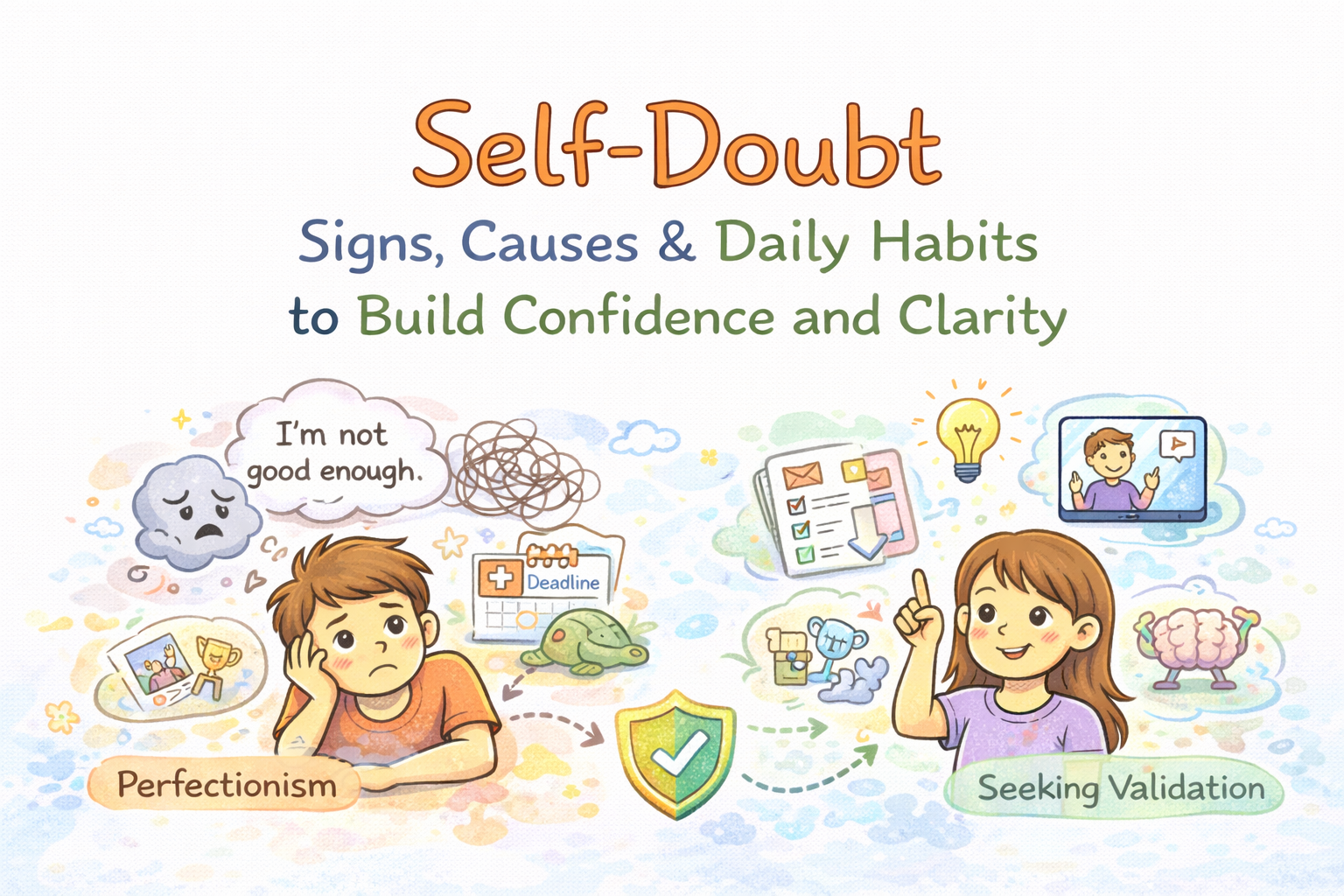
Low self-esteem can deteriorate our lives, hindering growth in relationships, social life, and careers. Individuals with low self-esteem often experience heightened self-doubt, negative self-talk, and feelings of inadequacy. This can lead to a range of psychological issues, such as anxiety, depression, and social withdrawal. Self-esteem leads to poor confidence, impedes professional growth, interpersonal relationships, and limits opportunities for personal development.
Common Negative Effects of Low Self-Esteem on Daily Life:
Distorted Self-Image and Negative Self-Perception: People with low self-esteem often negatively perceive themselves. They frequently resort to self-criticism of appearance and abilities and foster feelings of inadequacy and self-doubt.
Strained Relationships and Emotional Disconnection: Low self-esteem prevents people from entering or maintaining healthy relationships. It prevents people from asserting their needs, eventually leading to frustration, pent-up anger, and emotional distress.
Low Motivation and Missed Personal & Professional Opportunities: Low self-esteem can prevent from goal setting or achieving goals effectively. Individuals with self-esteem are in constant self-doubt, have poor confidence in their abilities, and fail to complete or do well in their academic, professional, and personal pursuits.
Unhealthy Perfectionism and Imposter Syndrome: Perfectionism and imposter syndrome are other symptoms of low self-esteem and vice versa, where individuals may develop perfectionistic tendencies to compensate for feelings of inadequacy. This unrealistic setting of standards leads to chronic stress, anxiety, and dissatisfaction.
Fear of Failure and Avoidance of Growth: The fear of failure in people with low self-esteem forces them to see their mistakes as evidence of incompetence. This prevents them from taking risks or pursuing opportunities for fear of experiencing rejection or failure.
Social Withdrawal and Emotional Loneliness: Individuals with low self-esteem may withdraw from social interactions and activities out of fear of judgment or rejection. They may avoid social situations altogether or engage in self-isolating behaviors, leading to feelings of loneliness, alienation, anxiety, and depression. Self-esteem can manifest in various other signs, as mentioned below:
- Self-loathing
- Perfectionism
- Body ridicule
- Worthlessness
- Too sensitive
- Anxiousness and fearful
- Anger
- Constantly pleasing people
8 Proven, Science-Backed Habits to Build and Strengthen Self-Esteem
Understanding the profound impact of self-esteem on our lives underscores the importance of cultivating healthy habits that promote its growth and maintenance. You must replace negative thoughts with positive ones to silence that inner critic. You also must practice forgiveness and challenge those negative self-beliefs. Drawing from insights provided by experts in psychology and self-development, here are eight evidence-based habits to boost your self-esteem
1. Develop Self-Compassion and Emotional Kindness
“If you want others to be happy, practice compassion. If you want to be happy, practice compassion” (Dalia Lama XIV, The Art of Happiness).
The first habit that almost every psychology expert will recommend to people with low self-esteem is practicing self-compassion. You need to stop being hard on yourself and start being kinder. Self-compassion is a healthy form of self-esteem that helps you embrace your imperfections as part of the human experience. Failing and mistakes are everyday experiences in life. Instead of criticizing yourself, perceive such instances as lessons to do better. Encourage yourself rather than put yourself down. Research says self-compassion fosters resilience, reduces self-criticism, and enhances emotional well-being. Engage in self-soothing activities such as mindfulness meditation, journaling, or affirmations to nurture a kinder and more nurturing relationship with yourself.
2. Identify, Challenge, and Reframe Negative Self-Talk
An inner critic is typical among most people who question their decisions. When it gets out of control, practice dealing with the thoughts by accepting them. Identify situations and triggers that lead to such thinking and begin to regard them constructively. Do not ignore such thoughts, which lead to inner conflict and stress. Review cognitive restructuring techniques to reframe negative self-beliefs and distorted thinking patterns. Replace self-critical thoughts with more balanced and realistic perspectives, focusing on evidence-based reasoning and self-compassionate language. Doing so reduces self-doubt, increases your sense of self-worth, and cultivates a more positive image within yourself.
3. Set Realistic, Achievable Goals for Personal Growth
Establish achievable goals that align with your values, interests, and capabilities. Break down larger objectives into smaller, manageable tasks, celebrating progress and milestones. Setting realistic goals provides a sense of purpose and direction and boosts confidence and self-efficacy as you experience success in your endeavors.
4. Use Positive Affirmations to Rebuild Self-Belief
According to a study in the Proceedings of the National Academy of Sciences, self-affirmation is a technique that increases mental health and promotes healthy behavior. If you feel self-doubt, try re-affirmation self-talk to get you through the moment. Tell yourself it is ok to make mistakes and encourage yourself to realize how you possess the intelligence to be competent just like everyone else
5. Prioritize Self-Care for Mental and Physical Well-Being
Prioritize self-care activities that nourish your physical, emotional, and mental well-being. Establish a balanced routine with adequate rest, nutrition, exercise, and relaxation. Self-care is not limited to mental activity. To boost cognitive function, physical activity is essential. Several studies have proved how physical exercise has led to better mental health and healthy brain function. Physical exercise leads to better sleep quality, too. Self-care enhances self-esteem by promoting self-nurturance, resilience, and overall health.
6. Reduce Social Media Exposure to Protect Self-Worth
While the original intention of social media was to build social relationships and interaction, today, research has found how social media addiction is fueling low self-esteem. Social media obsession has led to new-age conditions like FOMO (fear of missing out) associated with a variety of adverse problems such as sleep disorders, incompetency, low self-esteem, emotional distress, and anxiety. One study found that spending too much time on Facebook led to a significant decline in self-esteem. Limiting social media time reduces the need to compare your life to others and find more satisfaction in your own. Focus on fostering genuine relationships with friends and family, focusing on things that will keep you content and happy.
7. Build Assertiveness and Set Healthy Boundaries
Assertiveness involves expressing your thoughts, feelings and needs openly and respectfully while also respecting the rights and boundaries of others. Develop assertiveness skills by practicing clear communication, setting boundaries, and advocating for yourself in various situations. Assertiveness enhances self-esteem by promoting self-expression, autonomy, and empowerment in interpersonal interactions.
8. Acknowledge Progress and Celebrate Personal Wins
Very often, focusing on your failures rather than strengths and achievements is a significant contributor to low self-esteem. Identify your strengths and talents and build upon them to cultivate competence. Celebrate your wins and achievements regardless of how small they may be. Studies say celebrating wins makes us feel good, improves resilience, and fills us with positivity.
Final Thoughts: Building Lasting Self-Esteem Through Awareness and Acceptance
Self-esteem needs to be nurtured, but more than that, it is acceptance of yourself. Nobody is perfect, and we all have our strengths and limitations. We understand that navigating life by focusing on the positive aspects of ourselves strengthens self-worth, confidence, and overall well-being.